Category Archive Guide

Byvella

cpt code for breast biopsy ultrasound guided

CPT codes are standardized codes used for medical billing and insurance purposes. Ultrasound-guided breast biopsy procedures are accurately coded using CPT 19083 for single lesion biopsies, ensuring proper reimbursement and documentation. This code includes placement of a localization device and imaging guidance, making it essential for precise billing and medical record-keeping. Understanding these codes ensures compliance with billing guidelines and improves healthcare reimbursement processes.

1.1 Overview of CPT Coding System

The Current Procedural Terminology (CPT) coding system, maintained by the American Medical Association (AMA), provides standardized codes for medical procedures. CPT codes ensure uniform billing and insurance claims across healthcare services. The system categorizes procedures into surgical, diagnostic, and radiological services, with updates annually to reflect medical advancements. Accurate CPT coding is critical for proper reimbursement, compliance, and documentation, ensuring healthcare providers are fairly compensated for their services while maintaining transparency in patient care.

1.2 Importance of Accurate Coding in Medical Billing

Accurate coding is crucial for proper reimbursement, compliance, and patient care documentation. Incorrect or incomplete codes can lead to denied claims, delayed payments, and legal issues. Precise CPT coding ensures healthcare providers receive fair compensation while adhering to regulatory standards. It also enhances transparency in billing, reducing disputes with insurers and patients. For ultrasound-guided breast biopsies, correct coding ensures procedures are documented accurately, maintaining integrity in medical records and financial transactions.

CPT Code 19083: Ultrasound-Guided Breast Biopsy

CPT code 19083 is used for ultrasound-guided breast biopsy of a single lesion, including placement of a localization device. It is essential for accurate billing in medical settings.

2.1 Description of CPT Code 19083

CPT code 19083 describes an ultrasound-guided breast biopsy for a single lesion, including the placement of a localization device and imaging of the biopsy specimen. This code is used when the procedure involves only one lesion and includes ultrasound guidance for precise needle placement. It is essential for accurate billing in medical settings, ensuring proper reimbursement for the procedure. The code applies to the initial lesion only, with additional lesions requiring separate coding using 19084.

2.2 When to Use CPT Code 19083

CPT code 19083 is used during an ultrasound-guided breast biopsy for a single lesion. It applies when a localization device is placed and imaging is performed. This code is appropriate for initial biopsies of one lesion, ensuring accurate billing. Use it when the procedure involves ultrasound guidance and a single site. For multiple lesions, additional codes like 19084 are required. This ensures proper reimbursement and adheres to coding guidelines. Always verify the procedure details before assigning this code.

Related CPT Codes for Breast Biopsy Procedures

Several CPT codes are associated with breast biopsy procedures, including 19081, 19083, and 19084. These codes differentiate between initial and additional lesions, guiding accurate billing for various biopsy scenarios.

3.1 CPT Code 19081: Initial Lesion Biopsy

CPT code 19081 applies to the initial lesion biopsy in the breast, including placement of a localization device and imaging guidance. It covers percutaneous procedures for the first lesion, with ultrasound guidance included. This code is used when a single lesion is biopsied, and no additional lesions are sampled. For subsequent lesions, separate codes like 19084 or 19085 are required, ensuring accurate billing for each procedure performed. Proper use of this code ensures correct reimbursement for initial biopsy services.

3.2 CPT Code 19084: Additional Lesions

CPT code 19084 is used for additional lesions biopsied during an ultrasound-guided breast biopsy procedure. It is an add-on code, requiring a primary procedure code like 19083. This code applies when more than one lesion is sampled, with ultrasound guidance included. Each additional lesion is reported separately, ensuring accurate billing for multiple biopsies. It cannot be used as a standalone code and must be accompanied by the primary biopsy code, reflecting the total services provided during the procedure.

3.3 CPT Code 19085: Additional Lesions with Localization

CPT code 19085 is used for additional lesions biopsied during an ultrasound-guided breast biopsy, with localization device placement. It is an add-on code, requiring a primary procedure code like 19083 or 19085. This code applies when multiple lesions are sampled, with ultrasound guidance included. Each additional lesion is reported separately, ensuring accurate billing for complex procedures. It cannot be used as a standalone code and must be accompanied by the primary biopsy code, reflecting the total services provided during the procedure.

Ultrasound-Guided Lymph Node Biopsy

Ultrasound-guided lymph node biopsy uses CPT code 76942 for needle placement guidance and CPT 38505 for the biopsy procedure. These codes apply when sampling lymph nodes, ensuring accurate billing for both imaging and biopsy services.

4.1 CPT Code 76942: Ultrasound Guidance for Needle Placement

CPT code 76942 represents ultrasound guidance for needle placement during procedures like biopsies or aspirations. It is essential for precise localization, reducing complications. This code is often used alongside 19083 for breast biopsies and 38505 for lymph node biopsies. However, Medicare may require modifier -59 to avoid bundling when used for different lesions, ensuring proper reimbursement for distinct procedures.

4.2 CPT Code 38505: Lymph Node Biopsy

CPT code 38505 refers to the biopsy or excision of lymph node(s) using a needle, typically for superficial nodes like cervical, inguinal, or axillary. This code is often reported alongside 76942 for ultrasound guidance during lymph node biopsies. When performed with a breast biopsy (19083), it is appropriate to report both codes, provided they are for distinct procedures. Modifier -59 may be required to indicate separate services, ensuring proper reimbursement and compliance with billing guidelines.

Billing Multiple Procedures

Billing multiple procedures requires accurate reporting of CPT codes like 19083, 76942, and 38505. Use modifier -59 for distinct services, ensuring proper documentation and compliance with guidelines.

5.1 Reporting CPT Codes 19083, 76942, and 38505

For ultrasound-guided breast and lymph node biopsies, report CPT 19083 for the breast biopsy, 76942 for ultrasound guidance, and 38505 for the lymph node biopsy. Use modifier -59 on 76942 if it involves a different lesion or site, ensuring distinct procedural documentation. Medicare allows this reporting but requires verification of payer policies, as some may have specific billing requirements. Proper coding ensures accurate reimbursement and compliance with medical billing guidelines.

5.2 Use of Modifier -59 for Distinct Procedures

Modifier -59 is used to indicate distinct procedural services performed at different sites or separate sessions; When reporting CPT codes 19083, 76942, and 38505 for ultrasound-guided biopsies, appending -59 to 76942 is appropriate if the ultrasound guidance was for a different lesion or site than the breast biopsy. This ensures proper reimbursement for distinct procedures. However, always verify payer policies, as some may have specific requirements for modifier usage in such scenarios.

Bilateral Breast Biopsy Coding

Bilateral breast biopsies require specific coding. CPT code 19083 is used for the initial lesion, while 19084 is reported for the contralateral lesion, ensuring accurate billing for separate procedures.

6.1 Coding for Initial and Contralateral Biopsies

For bilateral breast biopsies, CPT code 19083 is reported for the initial lesion, while 19084 is used for the contralateral lesion. If additional lesions require localization, 19086 may apply. Use modifiers like -LT or -RT to specify laterality. Accurate coding ensures proper reimbursement and compliance with billing guidelines, distinguishing between initial and contralateral procedures for precise documentation.

6.2 Reporting Codes 19082, 19084, and 19086

Codes 19082, 19084, and 19086 are used for contralateral and additional lesions during ultrasound-guided breast biopsies. 19082 reports the initial contralateral lesion, 19084 for subsequent lesions without localization, and 19086 for those requiring localization. These codes ensure accurate billing for complex procedures, distinguishing between initial, additional, and localized biopsies to prevent overcoding and ensure proper reimbursement. Using these codes correctly reflects the procedure’s complexity and adheres to CPT guidelines;

Reimbursement and Insurance Considerations

Reimbursement for ultrasound-guided breast biopsies depends on accurate CPT coding and insurance verification. Medicare and private payers have specific policies, including CCI edits, which may require modifiers like -59 to bypass billing restrictions. Ensuring compliance with insurance guidelines is crucial for proper payment and avoiding claim denials. Providers should verify patient coverage and adhere to payer-specific rules to optimize reimbursement outcomes.

7.1 Medicare Policies and CCI Edits

Medicare policies require adherence to CPT coding guidelines and CCI edits. For ultrasound-guided breast biopsies, CPT code 19083 includes ultrasound guidance, limiting separate billing for 76942. Medicare allows only one ultrasound guidance code per session, regardless of the number of lesions. CCI edits may bundle imaging codes with procedure codes, necessitating the use of modifier -59 to indicate distinct procedures. Proper coding ensures compliance and avoids claim denials, optimizing reimbursement for providers.

7.2 Verification of Patient Insurance Coverage

Verifying patient insurance coverage is crucial before performing an ultrasound-guided breast biopsy. Ensure the patient’s plan covers CPT code 19083 and any additional codes for multiple lesions or lymph node biopsies. Confirm if pre-authorization is required and review the patient’s deductible and copayment. Accurate verification prevents billing issues and ensures smooth reimbursement. Clear communication with the patient about potential out-of-pocket costs is also essential for transparency and financial preparedness.

Clinical Scenarios and Coding Examples

Clinical scenarios guide the selection of appropriate CPT codes for ultrasound-guided breast biopsies. For example, a single lesion biopsy uses CPT 19083, while multiple lesions require additional codes like 19084. Bilateral procedures involve specific coding strategies to ensure accurate billing and reimbursement. These examples help coders apply CPT codes correctly based on clinical context and procedure specifics.

8.1 Single Lesion Biopsy

For a single lesion biopsy, CPT code 19083 is used, covering the ultrasound-guided procedure and placement of a localization device. This code is specific to a single lesion in one breast, ensuring accurate billing. It includes imaging guidance and specimen imaging when performed. If additional lesions are biopsied, separate codes like 19084 are required. This coding ensures proper reimbursement for the procedure, avoiding claim denials. Accurate coding is crucial for compliance with insurance policies and medical billing standards.

8.2 Multiple Lesions and Bilateral Procedures

For multiple lesions in the same breast, CPT code 19083 is used for the first lesion, and 19084 is reported for each additional lesion. Bilateral procedures require coding both the initial and contralateral biopsies. Use 19083 for the first lesion in one breast and 19084 for the second breast or additional lesions. Modifier -59 may be applied if procedures are distinct. Accurate coding ensures proper reimbursement and avoids billing errors, reflecting the complexity of the procedure accurately in medical records.

Coding Guidelines and Updates

Adhere to AMA guidelines for accurate coding of ultrasound-guided breast biopsies. Stay updated with CPT code changes to ensure compliance and proper reimbursement.

9.1 AMA Guidelines for Ultrasound-Guided Biopsies

The AMA provides specific guidelines for coding ultrasound-guided breast biopsies. CPT code 19083 is designated for a single lesion biopsy with ultrasound guidance, including localization device placement. For additional lesions, codes 19084 and 19085 are used. The AMA emphasizes accurate reporting of procedures to avoid billing errors. Clinicians must ensure compliance with these guidelines to maintain proper documentation and reimbursement.

9.2 Staying Updated with CPT Code Changes

Regularly updating knowledge of CPT codes is crucial for accurate billing and compliance. The AMA releases annual updates to the CPT code set, which may include changes to codes like 19083. Clinicians and coders should monitor updates through the AMA’s CPT Professional Edition or CPT Assistant. Staying informed ensures correct coding for procedures like ultrasound-guided breast biopsies, avoiding billing errors, and maintaining compliance with payer policies. Subscribing to official updates and attending coding workshops can help professionals stay current.

Accurate use of CPT codes for ultrasound-guided breast biopsies ensures proper billing and reimbursement. Staying informed about updates and guidelines is essential for effective medical coding practices.

10.1 Summary of Key Points

CPT code 19083 is used for ultrasound-guided breast biopsy of a single lesion with localization. Accurate coding ensures proper reimbursement and compliance. Multiple procedures require distinct reporting, with modifiers like -59 for separate lesions. Understanding guidelines and updates is crucial for effective billing. Proper documentation and verification of insurance coverage are essential for seamless reimbursement processes.

10.2 Final Thoughts on Accurate Coding Practices

Accurate coding is critical for proper reimbursement and compliance. Use CPT code 19083 for ultrasound-guided breast biopsy of a single lesion with localization. For additional lesions, use 19084. Always verify codes with payers and documentation. Stay updated on AMA guidelines and CPT changes. Precise coding ensures seamless billing and avoids claim disputes. Adherence to coding standards supports efficient healthcare reimbursement and maintains patient trust in medical billing processes.


Byvella

sax mouthpiece guide

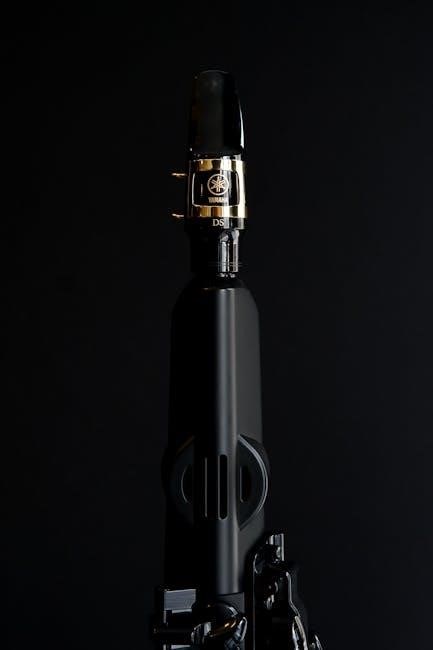
The saxophone mouthpiece acts as a bridge between the player and the instrument, directly influencing sound quality and playability. It consists of key components like the tip opening, chamber, and material, each contributing to the overall tone and response. Proper selection and maintenance are crucial for optimal performance, making it a vital part of every saxophonist’s setup.

1.1 The Importance of the Mouthpiece

The sax mouthpiece is pivotal in shaping tone, playability, and overall performance. It directly impacts the player’s ability to produce the desired sound, making it a critical component. A well-suited mouthpiece enhances comfort, intonation, and response, while a poor fit can hinder technical execution and tone quality. Many saxophonists spend considerable time finding the ideal mouthpiece, as it personalizes their sound and playing experience. Its importance cannot be overstated, as it bridges the player’s technique with the instrument’s acoustic properties, making it essential for achieving musical goals.

1.2 Key Components of a Sax Mouthpiece

A sax mouthpiece comprises several critical parts, each affecting performance. The tip opening determines air flow and reed vibration, influencing brightness and responsiveness. The chamber shapes the tone, with sizes varying to suit different styles. The material, often hard rubber or metal, impacts warmth and clarity. The baffle and facing lengths also play roles in tone and playability. Together, these components create a balance of sound and comfort, making each mouthpiece unique in its characteristics and suitability for various musical genres and player preferences.

Factors Influencing Mouthpiece Selection

Musical style, tip opening, chamber size, and material type are key factors. Playability and personal preference also matter, ensuring the mouthpiece suits the player’s sound and comfort needs.

2.1 Tip Opening and Its Impact on Sound

The tip opening, the distance between the reed and mouthpiece tip, significantly affects sound and playability. A larger opening produces a brighter, more projecting tone, often preferred in jazz, while a smaller opening yields a warmer, more mellow sound, commonly used in classical music. Properly matching the tip opening to the player’s embouchure and musical style ensures optimal performance and comfort. Testing different openings helps determine the best fit for individual needs and desired tonal characteristics.

2.2 Chamber Size and Its Role in Tone

The chamber size of a sax mouthpiece plays a crucial role in shaping the tone. A larger chamber tends to produce a darker, richer sound, often preferred by classical players, while a smaller chamber results in a brighter, more agile tone, commonly sought after in jazz. The chamber’s dimensions influence the harmonic complexity and overall resonance. Properly matching the chamber size to the player’s style and preferences ensures a balanced and desired tonal output, making it a key factor in mouthpiece selection.

2.3 Material Types: Hard Rubber vs. Metal

Sax mouthpieces are primarily made from hard rubber or metal, each offering distinct tonal characteristics. Hard rubber mouthpieces are known for their warmth, richness, and versatility, making them a popular choice for both jazz and classical players. Metal mouthpieces, while less common, deliver a bright, bold sound with excellent projection, often preferred by those seeking a modern, edgy tone. The material significantly impacts the sound quality and player comfort, making it a critical factor in mouthpiece selection based on individual preferences and musical style.

Choosing a Mouthpiece by Musical Style

The sax mouthpiece selection largely depends on the musical genre, as jazz and classical require different tonal preferences, guiding players to specific designs for optimal sound and playability.

3.1 Jazz vs. Classical: Different Mouthpiece Needs

Jazz and classical music demand distinct mouthpiece characteristics. Jazz players often prefer brighter tones with more projection, opting for larger tip openings and narrower chambers. In contrast, classical musicians favor a warmer, more mellow sound, achieved with smaller tip openings and larger chambers. These differences ensure the mouthpiece aligns with the stylistic requirements of each genre, enabling players to achieve the desired tonal quality and performance.

Popular Sax Mouthpiece Brands

Top brands include Yamaha, known for consistency and quality, Theo Wanne for innovation, and Rousseau for versatility, each catering to different player preferences and needs.

4.1 Yamaha Mouthpieces

Yamaha mouthpieces are renowned for their exceptional quality and consistency. They offer a wide range of models, such as the 4C and 5C, which are popular among saxophonists. These mouthpieces are designed to provide a balanced tone and excellent playability, making them suitable for both beginners and advanced players. Yamaha’s attention to detail ensures durability and optimal performance, solidifying their reputation as a trusted choice in the saxophone community. Their versatility across different musical genres further enhances their appeal to a broad spectrum of musicians.

4.2 Theo Wanne Mouthpieces

Theo Wanne mouthpieces are highly regarded for their exceptional craftsmanship and rich, resonant sound. Designed with precision, they cater to saxophonists seeking a warm, dynamic tone. Popular among jazz players, these mouthpieces offer a wide range of options to suit individual preferences. Theo Wanne’s innovative designs enhance resonance and projection, making them a favorite among professionals. Their commitment to quality ensures a superior playing experience, making Theo Wanne mouthpieces a top choice for saxophonists aiming to achieve a vibrant and expressive sound.

4.3 Rousseau Mouthpieces

Rousseau mouthpieces are a trusted choice among saxophonists, offering a legacy of quality and precision. Known for their balanced tone and versatility, they are favored by professionals and students alike. The Rousseau 5R model is particularly popular, delivering a smooth, full-bodied sound suitable for both jazz and classical styles. With a focus on craftsmanship, Rousseau mouthpieces provide consistent performance and a wide range of tonal possibilities, making them a preferred choice for saxophonists seeking clarity and expression in their music.

The Role of Reeds and Ligatures

Reeds and ligatures play a crucial role in shaping the saxophone’s sound. They influence tone, response, and overall playability, ensuring proper vibration and a secure fit for optimal performance.

5.1 Importance of Reed Selection

Reed selection is critical for achieving the desired tone, response, and playability. The strength and material of the reed significantly impact the sound produced, with softer reeds offering easier playability and harder reeds providing brighter tones. Proper reed choice aligns with the player’s embouchure, air support, and musical style. High-quality reeds ensure consistency and reliability, while poor-quality ones can hinder performance. Brands like Rico, Hemke, and Vandoren offer diverse options, catering to different preferences and skill levels. Testing reeds is essential to find the optimal match for individual needs and setups.

5.2 How Ligatures Affect Sound

Ligatures play a subtle but significant role in shaping the saxophone’s sound. They secure the reed to the mouthpiece, influencing vibration and tone. Tighter ligatures can produce a brighter, more focused sound, while looser ones may allow for greater warmth and flexibility. The material of the ligature—whether metal, fabric, or leather—also impacts the tone, with metal ligatures often enhancing clarity and fabric ones softening the sound. Proper ligature fit and adjustment are essential for optimal reed performance and consistent playability across the instrument’s range.

Testing Mouthpieces

Testing mouthpieces involves trying different models to find the best fit for your sound preferences. Play in a quiet room with your usual reed strength to evaluate tone, intonation, and response. Consider comfort and playability across the instrument’s range to ensure the mouthpiece meets your musical needs.

6.1 What to Look for in a Mouthpiece Trial

When testing a mouthpiece, focus on tone quality, intonation, and response across the saxophone’s range. Play in a quiet room to assess clarity and pitch accuracy. Consider comfort and ease of playability, especially in high and low registers. Use a metronome to evaluate articulation and consistency. Compare multiple models to find the best match for your sound preferences and musical style. Ensure the mouthpiece feels balanced with your reed and ligature setup for optimal performance.

Maintenance and Care

Regular cleaning prevents bacteria buildup. Use mild soap and warm water, then dry thoroughly. Store in a protective case to avoid scratches. Avoid extreme temperatures and handle gently to maintain longevity.

7.1 Cleaning and Hygiene Practices

Cleaning your sax mouthpiece is essential for maintaining hygiene and sound quality. Use a soft cloth to wipe the exterior daily. For the interior, a mouthpiece brush with mild soap and warm water is recommended. Avoid harsh chemicals that could damage the material. Regularly sanitize using a solution of equal parts water and white vinegar. After cleaning, dry thoroughly to prevent moisture buildup, which can lead to mold and bacteria growth. Consistent hygiene practices ensure optimal performance and longevity.

7.2 Storage Tips for Longevity

Proper storage is crucial for maintaining your sax mouthpiece’s condition. Store it in a protective case or soft pouch to prevent scratches and damage. Avoid extreme temperatures and direct sunlight, as they can warp the material. Keep the mouthpiece dry and free from moisture to prevent corrosion. For extended storage, place it in a cool, dry environment. Consider using silica gel packets to absorb humidity. Always store the mouthpiece separately from the saxophone to avoid accidental damage. Regularly inspect the case for wear and replace it if necessary to ensure optimal protection.

Byvella

shadower guide

Shadowing is a powerful language learning technique where learners imitate native speakers by listening and repeating audio content. It enhances pronunciation, intonation, and fluency by mimicking natural speech patterns, helping learners develop a more authentic accent and improved speaking skills. Regular practice fosters consistency and confidence, making it an essential tool for language mastery.

What is Shadowing?

Shadowing is a language learning technique where learners imitate native speakers by listening to and repeating audio content in real time. It involves closely following the speech patterns, intonation, and rhythm of a native speaker to improve pronunciation, fluency, and overall speaking skills. This method is widely used for various languages and is particularly effective for connecting the sound of words to their written forms, especially for visual learners. Shadowing can be applied to short audio clips, podcasts, or even conversations, making it a versatile tool for language acquisition. By mimicking native speech, learners develop a more natural accent and confidence in their ability to communicate effectively. Regular practice enhances listening comprehension and speaking abilities, making shadowing a valuable technique for language learners at all levels.

  • Improves pronunciation and intonation.
  • Enhances fluency and natural speech patterns.
  • Boosts listening comprehension and confidence.

Shadowing is not limited to language learning; it is also used in other fields like UX research to understand user behavior. However, its primary application remains in language acquisition, where it serves as a powerful tool for mastering spoken language skills through consistent practice.

History and Evolution of the Technique

Shadowing, as a language learning method, traces its origins to the mid-20th century when language teachers began experimenting with audio-based imitation techniques. Initially, it was a simple “listen and repeat” exercise aimed at improving pronunciation and intonation. Over time, the technique evolved to incorporate various formats, from cassette tapes to digital audio resources. The rise of the internet and mobile apps further popularized shadowing, making it accessible to learners worldwide. Today, it is recognized as a versatile tool for enhancing fluency, accent, and listening comprehension. The technique has also been adapted for use in fields beyond language learning, such as UX research, where it helps understand user behavior. Despite its evolution, the core principle of shadowing remains unchanged: imitating speech to achieve natural, authentic communication skills.

  • Originated in the mid-20th century.
  • Evolved with advancements in technology.
  • Now widely used across multiple disciplines.

Benefits of Shadowing

Shadowing improves pronunciation, intonation, and fluency by mimicking native speech. It boosts listening skills, enhances accent accuracy, and builds confidence in speaking, making it a versatile learning tool.

Improving Pronunciation and Intonation

Shadowing excels at refining pronunciation and intonation by closely imitating native speakers. By repeating phrases, learners mirror the exact sounds, stress patterns, and rhythm, ensuring accurate reproduction. This method helps in developing muscular memory, making speech more natural. Regular practice leads to improved articulation and a smoother flow of words, crucial for clear communication. Additionally, shadowing enhances the ability to recognize and replicate intonation, which is vital for conveying the right tone and emotion in speech. Over time, consistent practice fosters a more authentic and polished delivery, making it an indispensable technique for language learners aiming to sound more like native speakers.

Enhancing Fluency and Accent

Shadowing significantly enhances fluency by training learners to produce speech naturally and effortlessly. Repeating phrases immediately after a native speaker helps internalize the rhythm and flow of the language, reducing pauses and hesitations. This practice fosters a smoother connection between words, making speech sound more cohesive and spontaneous. Additionally, shadowing refines accent by exposing learners to native intonation patterns, stress placement, and pitch variations. By consistently mimicking these elements, learners develop a more authentic and polished accent. Over time, this technique builds confidence and clarity, enabling learners to communicate more effectively and fluidly in their target language.

Boosting Listening Comprehension

Shadowing is a dynamic technique that not only improves speaking skills but also significantly enhances listening comprehension. By actively listening to and repeating native speech, learners develop a keener ear for sounds, intonation, and rhythm. This heightened auditory awareness allows for better understanding of spoken language in real-time. Regular practice helps learners recognize patterns, accents, and colloquial expressions, making complex conversations more accessible. Shadowing bridges the gap between listening and speaking, ensuring that learners comprehend and reproduce language accurately. This dual focus on input and output accelerates overall language proficiency, making it an invaluable method for improving both receptive and productive skills.

How to Practice Shadowing Effectively

Start by selecting materials matching your language level. Listen attentively, then repeat phrases immediately, focusing on pronunciation and intonation. Practice regularly for consistent improvement and fluency.

Step-by-Step Guide to Shadowing

To practice shadowing effectively, start by selecting a short audio clip in your target language. Listen carefully to the speaker’s pronunciation, intonation, and rhythm. Repeat the phrases immediately after, mimicking the speaker’s tone and pace. Pause the audio to focus on challenging sections, ensuring accuracy. Gradually increase the length of the phrases as you gain confidence. For better retention, practice with a transcript, reading along while listening and speaking. Consistency is key—aim for daily practice, even if brief. Use tools like language learning apps or guided tutorials to enhance your experience. Over time, this method will help you develop a more natural and fluent speaking style.

Choosing the Right Audio Resources

Selecting appropriate audio resources is crucial for effective shadowing. Opt for materials that match your language level—neither too advanced nor too basic. Choose content with clear, natural speech and topics that interest you to stay motivated. Audio with accompanying transcripts is ideal, as it allows you to read along and improve both listening and speaking skills. Consider using podcasts, TED Talks, or language learning apps designed for shadowing. Ensure the audio quality is high and the speaker’s accent is one you wish to emulate. Avoid overly technical or unnatural speech, as it may hinder your progress. By picking the right resources, you can maximize the benefits of shadowing and accelerate your language learning journey.

Advanced Shadowing Techniques

Advanced shadowing involves refining skills through techniques like phrase-by-phrase repetition and shadow reading. These methods enhance listening comprehension, fluency, and accuracy, helping learners master complex speech patterns effectively.

Phrase-by-Phrase Shadowing

Phrase-by-phrase shadowing is an advanced technique where learners break audio into shorter segments, focusing on accuracy and clarity. By pausing after each phrase, they repeat it, ensuring proper intonation and pronunciation. This method allows for detailed practice, improving fluency and comprehension. It’s ideal for mastering complex sentences and expressions, making it easier to grasp native speech patterns. Regular use enhances overall language proficiency, helping learners sound more natural and confident in their communication.

Shadow Reading: A Step in Between

Shadow reading is a transitional technique that combines listening and reading, ideal for learners who find direct shadowing challenging. It involves following a written text while listening to an audio version, allowing learners to connect visual and auditory elements. This method helps learners mimic pronunciation, intonation, and rhythm more effectively. By seeing the words while hearing them, learners can better understand speech patterns and improve their ability to replicate native-like speech. Shadow reading acts as a bridge between reading and shadowing, building confidence and familiarity with the spoken language before progressing to more advanced techniques like phrase-by-phrase shadowing.

Tools and Resources for Shadowing

Utilize apps like Forvo and Shadowing Pro for authentic audio resources. Platforms like YouTube and language learning podcasts offer diverse materials. Guides and tutorials provide structured practice routines.

Recommended Apps and Platforms

Several apps and platforms are ideal for shadowing practice. Forvo offers a vast library of native speaker recordings, perfect for mimicking pronunciation. Shadowing Pro provides structured lessons with audio and transcripts. YouTube channels like English Addict with Mr. Steve and Learn English with Emma feature clear, slow speech for easy imitation. Podcasts on Spotify and Apple Podcasts also serve as excellent resources; Additionally, language learning apps like Duolingo and Babbel include audio clips for shadowing. These tools help learners access diverse materials, making practice convenient and effective. Regular use of these platforms can significantly improve pronunciation, intonation, and overall fluency in the target language.

Using Tutorials and Guides

Tutorials and guides are invaluable for mastering the shadowing technique. Videos, such as those by Arguelles, provide step-by-step instructions and practical examples. Many online resources, including the Good Shadowing Guide, offer detailed frameworks for implementing shadowing effectively. These guides emphasize starting with slower audio, pausing to repeat phrases, and gradually increasing speed. They also stress the importance of consistency and focusing on both accuracy and natural flow. By following structured tutorials, learners can optimize their practice, improve pronunciation, and develop a stronger connection between listening and speaking skills. These resources are particularly helpful for beginners, offering clear guidance to enhance language learning outcomes.

Shadowing is a powerful tool for improving pronunciation, intonation, and fluency. Consistent practice enhances speaking skills, making it a vital part of any language learning routine. Embrace it regularly for remarkable progress.

Final Tips for Consistent Practice

For consistent shadowing practice, set aside time daily, even if brief. Start with short clips and gradually increase duration as confidence grows. Use high-quality audio resources with transcripts to enhance accuracy. Focus on mimicry, paying attention to intonation and rhythm. Practice actively, not passively, and record yourself to track progress. Incorporate shadowing into your routine, such as during commutes or breaks, to maximize efficiency. Stay motivated by celebrating small improvements and adapting materials to your interests. Regularity and dedication are key to mastering this technique and achieving fluent, natural speech.

Byvella

skimboard size guide

Welcome to our comprehensive skimboard size guide! This guide helps riders choose the perfect board size based on height, weight, skill level, and riding style for optimal performance and fun.

Understanding Skimboard Types and Their Sizes

Skimboards come in various types, each designed for specific riding styles and conditions. Sand skimmers are larger and heavier, ideal for gliding on sand or small waves, typically ranging from 40-50 inches long. Wave skimmers are narrower and lighter, designed for ocean waves, usually measuring 45-55 inches. Trick or flatland boards are smaller, around 30-40 inches, perfect for technical maneuvers on flat surfaces. The size of a skimboard directly impacts its performance, with longer boards offering stability and shorter ones enabling agility. Understanding these types and their size ranges helps riders match their board to their skill level, riding style, and preferred terrain, ensuring a more enjoyable and effective experience.

Why Choosing the Right Skimboard Size Matters

Choosing the right skimboard size is crucial for optimal performance, control, and overall enjoyment. A board that matches your height, weight, and skill level ensures better balance and maneuverability. The right size enhances stability for beginners and allows advanced riders to perform tricks effortlessly. Incorrect sizing can lead to poor performance, difficulty in controlling the board, and a less enjoyable experience. A board that’s too small may lack stability, while one that’s too large can be hard to maneuver. Proper sizing ensures the board responds well to your movements, making it easier to glide, turn, and perform tricks. This guide helps you find the perfect fit to maximize your fun and progress in skimboarding.

Factors Influencing Skimboard Size

The right skimboard size depends on your height, weight, skill level, riding style, and the board’s material and construction. These factors ensure optimal performance and control.

  • Rider’s height and weight
  • Skill level: beginner, intermediate, or advanced
  • Riding style: tricks, waves, or sand skimming
  • Board material and construction

Rider’s Height and Weight

Your height and weight are crucial in determining the right skimboard size. A taller or heavier rider typically needs a larger board for stability, while smaller or lighter riders can maneuver smaller boards more easily. Matching your height and weight to the board’s dimensions ensures better control and performance. Manufacturers often provide size charts based on these factors to help you make the right choice. Ignoring this could result in a board that’s too small or too large, affecting your ability to ride effectively. Always consider your height and weight when selecting a skimboard for optimal fun and performance.

Skill Level: Beginner, Intermediate, or Advanced

Your skill level significantly influences the ideal skimboard size. Beginners benefit from larger, more buoyant boards that are easier to balance on and maneuver, especially in flat water or sand. Intermediate riders can transition to slightly smaller boards, allowing for sharper turns and better control in waves. Advanced riders often prefer smaller, lightweight boards for tricks and high-performance moves. Matching your skill level to the right size ensures a smoother learning curve and enhances your riding experience. Boards designed for each skill level are tailored to provide the necessary stability, responsiveness, or agility, helping riders progress effectively. Always consider your skill level when selecting a skimboard to maximize enjoyment and improvement.

Riding Style: Tricks, Waves, or Sand Skimming

Your riding style plays a crucial role in determining the ideal skimboard size. If you’re focused on tricks, a smaller, lightweight board with a blunt nose offers better control and maneuverability. For wave riding, a slightly longer board with a pointed nose provides stability and speed in the water. Sand skimming typically works best with medium-sized boards, as they balance ease of handling with enough float to glide smoothly. Tailoring your board size to your riding style ensures optimal performance and enjoyment. Whether you’re carving waves, performing tricks, or gliding on sand, the right size enhances your ability to execute maneuvers and enjoy the ride. Always match your board to your preferred style for the best experience.

Board Material and Construction

Skimboard material and construction significantly impact size and performance. Traditional wooden boards are durable and offer a classic feel, often in larger sizes for stability. Foam boards are lighter, making them easier to maneuver, ideal for tricks and smaller riders. Composite materials combine wood and foam, balancing weight and strength. Carbon fiber boards are lightweight and stiff, favored by advanced riders for speed and precision. The choice of material affects buoyancy, flex, and responsiveness, all of which influence the optimal size for your needs. The construction also determines the board’s longevity and how it handles various riding conditions, from waves to sand. Selecting the right material ensures your skimboard performs well and aligns with your riding preferences and skill level. Always consider both material and construction when choosing your board size for the best results.

How to Choose the Right Skimboard Size

Assess your height, weight, skill level, and riding style to determine the ideal skimboard size. Use size charts, measure your height, and ensure the board fits your needs perfectly.

Using a Skimboard Size Chart: A Step-by-Step Guide

Using a skimboard size chart is essential for finding the right board. First, locate a reliable size chart online or through a manufacturer. Next, determine your height and weight accurately. Match these measurements to the chart’s recommendations. Consider your skill level—beginners may prefer larger boards for stability, while advanced riders might opt for smaller, maneuverable options. Double-check the chart’s suggestions against your riding style, whether it’s for tricks, waves, or sand skimming. Finally, use the chart to narrow down your choices and select the board that best fits your needs for optimal performance and enjoyment.

Measuring Your Height and Weight for the Best Fit

Accurately measuring your height and weight is crucial for selecting the right skimboard. Stand barefoot and straight against a wall to measure your height in inches or centimeters. Use a reliable scale to determine your weight in pounds or kilograms. Record these measurements to reference them when consulting a size chart. Ensure you measure yourself in light clothing for an accurate weight reading. If possible, have someone assist you for precise height measurement. These measurements will serve as the foundation for matching your size to the ideal skimboard dimensions, ensuring a proper fit and optimal performance. Always double-check your measurements for accuracy.

Considering Your Skill Level and Progression Needs

Your skill level significantly impacts the ideal skimboard size. Beginners benefit from larger boards for stability and ease of balancing, while advanced riders may prefer smaller, more maneuverable options. Intermediate riders often find medium-sized boards strike a balance between stability and performance. When choosing, also consider your progression goals. If you plan to improve rapidly, opting for a slightly smaller board than your current skill level might encourage growth. Conversely, sticking to your current size ensures comfort while mastering techniques. Assessing your skill level and future ambitions helps narrow down the perfect board size for a seamless riding experience. Matching your progression needs ensures long-term satisfaction and enjoyment of the sport.

Additional Considerations

Additional factors like nose length, width, and rocker play a crucial role in performance. Proper maintenance ensures longevity and optimal functionality of your skimboard.

Nose Length and Width: How They Impact Performance

The nose of a skimboard, ranging from 12 to 24 inches in length, significantly affects handling. A longer nose provides stability and control, ideal for wave riding, while a shorter nose enhances maneuverability for tricks. The width of the nose, typically between 8 to 12 inches, also matters; wider noses offer better floatation and are preferred by heavier riders or those skimming on sand. Narrower noses improve speed and agility, making them suitable for lighter riders or advanced techniques. Balancing these dimensions ensures optimal performance based on the rider’s style and conditions, making nose length and width critical considerations in selecting a skimboard.

The Role of Rocker (Board Curve) in Size Selection

The rocker, or the curve of the skimboard, plays a crucial role in performance and size selection. A board with a pronounced rocker offers better maneuverability and is ideal for trick-oriented riding, while a flatter rocker provides stability and speed, making it suitable for wave riding. The curvature also influences the board’s responsiveness, with more rocker allowing tighter turns but potentially reducing speed. Riders should consider their style and preferences when choosing the rocker; for example, advanced riders may prefer a more pronounced curve for tricks, whereas beginners might opt for a flatter profile for easier control. Balancing rocker with size ensures the board meets the rider’s needs effectively, enhancing overall performance across various conditions;

Maintenance and Upkeep for Optimal Performance

Proper maintenance is essential to extend the life and performance of your skimboard. Regularly inspect the board for dings or cracks and repair them promptly to prevent further damage. Waxing the surface ensures better grip and reduces friction, enhancing your riding experience. After use, rinse the board with fresh water to remove sand and salt, which can cause wear. Store your skimboard in a cool, dry place away from direct sunlight to maintain its shape and material integrity. Additionally, avoid leaving it in extreme temperatures or humidity. By following these simple care steps, you can keep your skimboard in top condition, ensuring consistent performance and longevity for years of enjoyment.

Final Tips for Picking the Perfect Skimboard Size

When selecting your skimboard, prioritize your riding style and skill level. For tricks, opt for a shorter, lighter board. For waves, choose a longer, more buoyant option. Always consider your height and weight to ensure balance and control. Test different sizes if possible, and don’t hesitate to seek advice from experienced riders or professionals. Maintenance is key, so keep your board clean and waxed for optimal performance. Finally, read reviews and compare options to make an informed decision. Remember, the right size and style will enhance your skills and make every session enjoyable. Happy skimming!

Frequently Asked Questions About Skimboard Sizing

What size skimboard is right for me? Start by considering your height, weight, and skill level. Lighter riders may prefer smaller boards, while heavier riders need more buoyancy. Beginners should opt for stable, medium-sized boards, while advanced riders can choose specialized sizes for tricks or waves. How do I measure my skimboard? Measure the length from nose to tail and the width at the widest point. What materials are best? Wood and foam boards are popular, each offering unique performance benefits. Can I customize my skimboard? Yes, some manufacturers allow custom orders. Where can I find size charts? Check reputable brands or skimboarding communities for detailed guides. Happy skimming!

Byvella

national contact lens examiners study guide

The NCLE Study Guide is a comprehensive resource designed to help professionals prepare for the National Contact Lens Examiners certification exam․ It covers essential topics, including ocular anatomy, contact lens types, fitting techniques, and care․ Developed by experts, the guide includes practice questions and updated materials to ensure thorough preparation for aspiring contact lens professionals․

1․1 Overview of the NCLE Exam and Certification

The NCLE exam is a professional certification for opticians and contact lens technicians, assessing their knowledge and skills in fitting and managing contact lenses․ Developed by the National Contact Lens Examiners, it is recognized nationwide as a standard for expertise in the field․ The certification demonstrates a deep understanding of ocular anatomy, contact lens types, and proper fitting techniques․ Passing the exam requires hands-on knowledge and theoretical understanding, ensuring professionals can provide safe and effective care․ The NCLE certification is a valuable credential for advancing careers in opticianry and contact lens specialists․

1․2 Importance of the Study Guide for Exam Preparation

The NCLE Study Guide is an essential resource for exam preparation, offering a structured approach to mastering the exam content․ It covers critical areas such as ocular anatomy, contact lens types, and fitting techniques, ensuring a comprehensive understanding․ The guide includes practice questions, flashcards, and test-taking strategies, helping candidates assess their knowledge and improve weak areas․ By bridging theory and practical application, it equips professionals with the confidence and skills needed for success․ Regular updates ensure the material aligns with current industry standards, making it a vital tool for achieving NCLE certification and advancing in the field of opticianry․

Key Topics Covered in the NCLE Study Guide

The NCLE Study Guide thoroughly covers ocular anatomy, contact lens types, fitting techniques, care, and related pathologies, providing a foundational understanding of contact lens science and practice․

2․1 Ocular Anatomy, Physiology, and Pathology

The NCLE Study Guide delves into the structure and function of the eye, focusing on components like the cornea, sclera, and conjunctiva, which are crucial for contact lens wear․ It explores how these tissues interact with lenses and discusses common pathologies such as corneal abrasions, ulcers, and conjunctivitis․ Understanding these concepts is vital for assessing how contact lenses may impact ocular health․ The guide also covers the physiology of tear production and the role of the ocular surface in maintaining lens comfort․ This section provides a solid foundation for diagnosing and managing complications related to contact lens use, ensuring safe and effective lens fitting․

2․2 Contact Lens Types and Materials

The NCLE Study Guide extensively covers various contact lens types, including soft, rigid gas-permeable, scleral, and corneal lenses, along with their specific uses and benefits․ It also explores lens materials, such as hydrogel, silicone hydrogel, and fluorosilicone, highlighting their unique properties like oxygen permeability and water content․ Understanding these differences is crucial for selecting the most suitable lens for patient needs․ The guide provides detailed insights into how material characteristics influence comfort, durability, and visual clarity, helping professionals make informed decisions for optimal patient outcomes․ This section ensures a deep understanding of the diverse options available in modern contact lens technology․

2․3 Contact Lens Fitting and Measurement Techniques

Contact lens fitting involves assessing the eye’s shape and size to determine the correct lens parameters for optimal comfort and vision․ Key measurements include corneal curvature, pupil size, and iris diameter; The study guide details manual and automated techniques for precise lens fitting, such as keratometry and corneal topography․ Proper centration and lens movement are emphasized to ensure proper oxygen flow and tear exchange․ The guide also covers troubleshooting common fitting issues, providing practical examples to enhance understanding․ This section equips professionals with the skills to accurately fit lenses, ensuring patient comfort and visual clarity while minimizing complications․ It’s a critical area for mastering contact lens care and application․

2․4 Contact Lens Care and Maintenance

Proper care and maintenance of contact lenses are essential for ensuring patient comfort, safety, and optimal vision․ The study guide emphasizes techniques for cleaning, disinfecting, and storing lenses to prevent contamination․ It covers various care systems, including hydrogen peroxide and multipurpose solutions, and provides guidance on lens replacement schedules․ Additionally, the guide stresses the importance of patient education on hygiene practices, such as avoiding water exposure and replacing lenses as directed․ Understanding these practices is critical for minimizing the risk of ocular complications and ensuring long-term successful contact lens wear․ This section provides practical insights for both professionals and patients alike․

2․5 Ocular Pathology Related to Contact Lens Wear

The study guide thoroughly covers ocular conditions associated with contact lens use, such as corneal ulcers, conjunctivitis, and keratitis․ It explains how improper lens care, extended wear, and poor fit can lead to complications․ The section highlights symptoms, diagnostic methods, and treatment options for these pathologies․ Understanding these concepts is vital for identifying risks and ensuring patient safety․ The guide also emphasizes preventive measures, such as proper hygiene and regular follow-ups, to minimize the likelihood of complications․ This knowledge is essential for professionals preparing for the NCLE exam, as it directly impacts patient care and successful contact lens management․

Study Resources and Materials

The NCLE Study Guide by Carrie Wilson, practice questions, and flashcards are essential resources for exam preparation․ These materials help candidates master key concepts and test-taking strategies effectively․

3․1 NCLE Study Guide by Carrie Wilson

The NCLE Study Guide by Carrie Wilson is a newly developed comprehensive resource for exam preparation․ It includes detailed chapters on ocular anatomy, contact lens types, fitting techniques, and care․ Additionally, the guide features over 300 practice questions to help candidates assess their knowledge․ Wilson’s expertise ensures that the material is both accurate and relevant, covering essential topics for contact lens professionals․ This guide is a valuable tool for anyone aiming to pass the NCLE exam and gain certification in the field of opticianry and contact lens technology․

3․2 Contact Lens Specialist Course

The Contact Lens Specialist Course is an advanced program designed to enhance practical skills and theoretical knowledge․ It covers topics like contact lens fitting, materials, and ocular pathology, aligning with NCLE exam requirements․ The course includes hands-on training and interactive modules to ensure comprehensive understanding․ Participants gain expertise in handling various contact lens types and troubleshooting common fitting issues․ This course is particularly beneficial for professionals seeking to deepen their knowledge and improve their clinical techniques, making it an invaluable resource for NCLE exam preparation and long-term career development in opticianry․

3․3 Practice Questions and Flashcards

The NCLE Study Guide includes over 300 practice questions and flashcards to aid exam preparation․ These resources cover essential topics, helping candidates understand key concepts and identify areas needing more review․ The questions are designed to reflect actual exam formats, including multiple-choice and scenario-based problems․ Flashcards provide quick summaries of important terms and definitions, making them ideal for on-the-go study․ Regular practice with these tools enhances test-taking strategies and builds confidence․ They are invaluable for anyone aiming to excel on the NCLE exam and achieve certification as a qualified contact lens professional․

3․4 Review Courses for ABO and NCLE Exams

Review courses for the ABO and NCLE exams provide comprehensive preparation for certification․ These courses are designed to cover both theoretical and practical aspects of contact lens care and optics․ They often include expert-led instruction, practice exams, and interactive learning tools․ Many courses are tailored to address key exam topics, such as ocular anatomy, lens fitting, and pathology․ Participants benefit from hands-on training and real-world case studies, enhancing their understanding and application of knowledge; These courses are an excellent supplement to the NCLE Study Guide, offering structured learning opportunities for professionals aiming to succeed in both ABO and NCLE certifications․

Exam Preparation Strategies

Effective exam preparation involves mastering hands-on knowledge, utilizing study guides, and practicing with flashcards and test-taking techniques to ensure success․

4․1 Test-Taking Techniques and Tips

Mastering test-taking techniques is crucial for success on the NCLE exam․ Start by skimming through the entire test to identify challenging questions and manage your time effectively․ Always read each question carefully, focusing on key terms and concepts․ Eliminate obviously incorrect answers first to increase your chances of selecting the right one․ If unsure, make an educated guess rather than leaving it blank․ Practice with sample questions to build familiarity with the format․ Stay calm and avoid rushing, as this can lead to unnecessary mistakes․ Utilize study resources like flashcards and review courses to reinforce your knowledge and confidence․

4․2 Importance of Hands-On Knowledge

Hands-on knowledge is critical for excelling in the NCLE exam, as it directly applies to real-world contact lens fitting and patient care․ Practical experience helps in understanding complex concepts like lens fitting, ocular measurements, and patient interactions․ Exam questions often reflect clinical scenarios, making hands-on skills essential for accurate answers․ Candidates should engage in clinical practice or workshops to refine their abilities․ This experiential learning enhances problem-solving and decision-making, which are vital for certification․ Combining theoretical study with practical application ensures a well-rounded preparation, boosting confidence and competence in handling diverse patient needs and challenges․

Additional Study Tools and Resources

Supplement your NCLE preparation with online modules, videos, and interactive tools․ Flashcards and study games enhance retention, while practice questions mimic exam conditions for better readiness․

5․1 Online Study Modules and Videos

Online study modules and videos provide interactive and visual learning experiences, enhancing understanding of complex topics like contact lens fitting and ocular anatomy․ These resources often include quizzes, animations, and real-life case studies to engage learners․ Videos demonstrate practical techniques, such as lens insertion and removal, while modules offer structured lessons with downloadable materials․ Accessible anytime, these tools are ideal for self-paced learning, allowing candidates to review concepts multiple times․ Many platforms also include progress tracking, helping users identify areas for improvement․ These digital resources complement traditional study guides, offering a modern approach to exam preparation and ensuring a well-rounded understanding of contact lens care and optics․

5․2 Study Games and Interactive Learning Tools

Study games and interactive learning tools offer engaging ways to master NCLE exam material․ Resources like matching games and word search puzzles make memorization fun and effective․ Flashcards, such as those on Quizlet, help reinforce key terms and concepts․ Interactive simulations allow learners to explore contact lens fitting and ocular anatomy visually․ These tools cater to different learning styles, enhancing retention and understanding․ Many platforms also include progress tracking, enabling users to identify weak areas․ By combining entertainment with education, study games and interactive tools provide a dynamic way to prepare for the NCLE exam, making complex topics more approachable and enjoyable to study․

The NCLE Study Guide is an essential tool, offering comprehensive resources and interactive learning aids to help candidates excel and achieve certification successfully․

6․1 Final Tips for Success on the NCLE Exam

To succeed on the NCLE exam, thoroughly review the study guide and practice questions․ Focus on understanding ocular anatomy, contact lens fitting, and care․ Utilize flashcards and interactive tools to reinforce key concepts․ Time management during the exam is crucial, so practice test-taking strategies․ Hands-on experience with contact lenses will also enhance your preparation․ Stay calm, read questions carefully, and answer confidently․ Leveraging resources like Carrie Wilson’s guide and review courses can significantly improve your chances of passing․ By combining diligent study with practical knowledge, you’ll be well-prepared to achieve certification and excel in your career as a contact lens professional․

About the Study Guide

The OpenOptix NCLE Study Guide, sponsored by Laramy-K Optical, is a collaborative effort by optical professionals․ It includes detailed chapters on contact lens development and practical applications, ensuring comprehensive preparation for the NCLE exam․

7․1 OpenOptix NCLE Study Guide and Sponsorship

The OpenOptix NCLE Study Guide, sponsored by Laramy-K Optical, is a meticulously crafted resource for professionals aiming to excel in the National Contact Lens Examiners certification․ This guide is the result of a collaborative effort by experienced optical professionals who have volunteered their expertise to create a comprehensive and up-to-date study material․ The sponsorship by Laramy-K Optical underscores their commitment to advancing the field of opticianry and contact lens technology․ The guide covers a wide range of topics essential for the exam, including ocular anatomy, contact lens fitting, and care, ensuring that candidates are well-prepared․ Regular updates and additions, such as new chapters on contact lens development, make this guide indispensable for both newcomers and seasoned professionals seeking certification․

Byvella

bucket hat size guide

Choosing the right bucket hat size ensures comfort, style, and a perfect fit․ This guide helps you determine your ideal size by measuring head circumference and understanding hat dimensions․ It covers key factors like brim width, crown depth, and adjustable features, ensuring a flattering look for both adults and kids․

How to Measure Your Head Circumference

To measure your head circumference, use a flexible tape measure around your head just above your eyebrows or ears, ensuring a snug fit for accurate sizing․ This ensures the hat sits comfortably and securely․

Step-by-Step Measuring Process

To accurately measure your head circumference, follow these steps:

Use a flexible tape measure or a piece of string․ Wrap it around your head, placing it just above your eyebrows and ears, where the hat will sit․

Ensure the tape or string is snug but not overly tight․ This ensures a comfortable fit for your bucket hat․

If using a string, mark the point where it overlaps, then measure this length with a ruler or rigid tape measure․

Record your measurement in centimeters or inches to compare with the size chart․

If your measurement falls between sizes, choose the next larger size for the best fit․

This process ensures you get an accurate reading, helping you select the perfect bucket hat size for comfort and style․

Bucket Hat Size Chart for Adults

Adult bucket hat sizes range from Small/Medium (55-58cm) to Large/X-Large (58․5-60․5cm) and Extra-Large (61cm+)․
These measurements ensure a comfortable, tailored fit for all head sizes․

Mens Bucket Hat Sizes

Men’s bucket hats are available in sizes ranging from Small/Medium to Extra-Large, ensuring a precise fit for various head sizes․ The Small/Medium size typically fits head circumferences of 55-58 cm, while Large/X-Large accommodates 58․5-60․5 cm․ For larger heads, Extra-Large sizes are available, fitting circumferences of 61 cm and above․

These sizes are designed to provide comfort and style, with adjustable features often included to fine-tune the fit․ When choosing a size, consider your head circumference and personal preference for a snug or relaxed feel․ Proper sizing ensures the hat stays in place and maintains its shape, offering both functionality and fashion․

Womens Bucket Hat Sizes

Women’s bucket hats come in a variety of sizes to cater to different head circumferences, ensuring a comfortable and stylish fit․ The sizes typically range from Small to Large, with some brands offering Extra-Large options․ A Small size generally fits head circumferences of 53-55 cm, while Medium accommodates 56-58 cm․ Large sizes are designed for 59-61 cm, and Extra-Large fits 62 cm and above․

To determine your size, measure your head circumference just above your eyebrows using a flexible tape measure․ If your measurement falls between sizes, consider sizing up for a relaxed fit or using an adjustable feature, which is common in many women’s bucket hats․ Proper sizing ensures the hat stays securely in place, enhancing both comfort and style․

Women’s bucket hats are versatile, offering a flattering look for various face shapes and hairstyles․ Whether you prefer a snug fit or a more relaxed style, the right size ensures optimal comfort and a chic appearance․

Understanding Bucket Hat Dimensions

Bucket hat dimensions include brim width, crown depth, and diameter․ Typical brim widths range from 2-3 inches (5-7․6 cm), while crown depths are 2-4 inches (5-10 cm)․

Brim Width and Crown Depth Explained

The brim width and crown depth are essential dimensions for a bucket hat’s fit and style․ The brim width typically ranges from 2 to 3 inches (5 to 7․6 cm), providing shade and aesthetic balance․ Crown depth, measuring 2 to 4 inches (5 to 10 cm), determines how far the hat sits on the head․ Together, these dimensions ensure comfort and a flattering appearance․ For instance, a smaller brim offers a sleek look, while a wider brim provides more shade․ The crown depth affects how low or high the hat sits, impacting both style and comfort․ These measurements vary slightly between sizes, ensuring a tailored fit for different head circumferences․ Proper alignment of these dimensions guarantees the hat stays in place without feeling too tight or loose, making it suitable for various occasions and preferences․ Understanding these elements helps in selecting a bucket hat that complements both functionality and fashion seamlessly․

Kids Bucket Hat Size Guide

Kids’ bucket hat sizes are designed to fit various age groups, with head circumferences ranging from 48 cm for 1-2 years to 55 cm for 7-10 years, ensuring a comfortable and proper fit․

Size Chart by Age Group

Kids’ bucket hat sizes are organized by age groups to ensure the best fit․ For children aged 1-2 years, the recommended size is Small, with a head circumference of 48-50 cm․ Ages 3-4 years fall under Medium, fitting heads measuring 50-52 cm․ The Large size suits 5-6 year olds with a circumference of 52-54 cm, while 7-10 year olds require an X-Large, accommodating 54-55․5 cm․ These measurements ensure comfort and proper fit, allowing room for growth․ Adjustable features in some hats provide flexibility, making them suitable for multiple seasons or stages of growth․ Parents can use a flexible tape measure to determine their child’s head size accurately, ensuring the hat stays secure without being too tight․ This size chart helps parents make informed decisions, ensuring their child’s hat is both stylish and comfortable․ Proper fit is essential for comfort and practicality, especially for active kids․

How to Choose the Right Size

To choose the right bucket hat size, measure your head circumference and compare it to the size chart․ Consider adjustable features for a customizable fit, ensuring comfort and style․

Factors Affecting Fit

Several factors influence how a bucket hat fits, including head circumference, adjustable features, and hat dimensions․ Head circumference is the most critical measurement, ensuring the hat isn’t too tight or loose․ Adjustable hats with Velcro, straps, or elastic offer flexibility for a snug fit, especially if your size falls between standard measurements․ The brim width and crown depth also impact comfort and style; wider brims provide more shade, while deeper crowns offer added structure․ Material plays a role too, as softer fabrics may stretch slightly, while stiffer materials retain shape․ Hat fillers or inserts can reduce size if needed, ensuring a secure fit․ Lastly, personal style preferences, like how the hat sits on your head, matter for overall satisfaction․ Considering these factors ensures a comfortable and flattering fit for any bucket hat wearer․

Adjustable Bucket Hats

Adjustable bucket hats feature built-in adjusters like Velcro straps or elastic bands, allowing customization for a snug fit․ They can reduce size by 1-2․5 cm, accommodating measurements between standard sizes․

How to Use the Built-In Adjuster

To ensure a perfect fit, adjustable bucket hats come with built-in adjusters like Velcro straps, elastic bands, or toggle-and-strap systems․ These features allow customization to suit various head sizes․ To use the adjuster, locate it at the back of the hat, typically near the crown․ For Velcro straps, pull the ends to tighten or loosen the fit․ For elastic bands, gently stretch or release to achieve comfort․ Toggle-and-strap systems require sliding the toggle to adjust the circumference․ If your measurement falls between sizes, size up and use the adjuster to reduce the fit by 1-2․5 cm․ This ensures a snug, comfortable wear without compromising style․ Always test the fit and adjust as needed for optimal comfort and appearance․

Choosing the right bucket hat size is essential for both comfort and style․ By measuring your head circumference and understanding the dimensions of the hat, you can ensure a perfect fit․ Whether you’re shopping for adults or kids, this guide provides a clear roadmap to finding your ideal size․ Adjustable features like Velcro straps or elastic bands offer additional customization, making it easier to achieve a snug fit․ Remember, proper sizing enhances both the functionality and the aesthetic appeal of your bucket hat․ With the tips and charts provided, you can confidently select a hat that complements your wardrobe while ensuring all-day comfort․ Happy shopping, and enjoy your perfectly fitting bucket hat!

Byvella

dental shade guide

A dental shade guide is a tool used in dentistry to match the color of teeth for restorations. It helps in selecting prosthetic teeth and ceramic materials, ensuring natural aesthetics.

1.1 Definition and Purpose

A dental shade guide is a standardized tool used in dentistry to match the color of natural teeth for restorations. It consists of a set of simulated teeth in various shades, organized by hue, value, and chroma. The purpose of a shade guide is to ensure that prosthetic teeth, veneers, and ceramic materials blend seamlessly with the patient’s natural dentition, achieving aesthetically pleasing results.

Dentists and dental technicians use these guides to select the most appropriate shades, ensuring consistency and accuracy. They also aid in communication between clinicians and laboratories, facilitating precise outcomes. Additionally, shade guides are essential for training dental professionals in color matching techniques.

1.2 Importance in Dentistry

Dental shade guides play a crucial role in achieving natural aesthetics and consistency in dental restorations. They enable precise color matching for prosthetics, veneers, and ceramic materials, ensuring seamless integration with natural teeth. This tool enhances patient satisfaction by delivering lifelike results, which is vital for both functional and cosmetic dentistry. Additionally, shade guides standardize communication between dentists and laboratories, reducing errors and improving outcomes.

Their importance extends to dental education, as they are widely used to train students and professionals in color matching techniques. This consistency ensures high-quality, predictable results in modern dental practices.

Types of Dental Shade Guides

Dental shade guides vary, including Vita Classic, Vita Toothguide 3D-Master, and Chromascop. Each offers unique features, catering to different clinical needs and aesthetic requirements in dentistry.

2.1 Vita Classic Shade Guide

The Vita Classic Shade Guide is a widely used tool in dentistry, featuring 16 shades organized into four main groups: A, B, C, and D. Each group represents different chromatic variations, with A being reddish-brown, B reddish-yellow, C grey, and D reddish-grey. This system provides a standardized method for matching tooth colors, ensuring consistent results in restorative procedures. Its simplicity and reliability have made it a cornerstone in dental aesthetics, allowing clinicians to achieve natural-looking restorations efficiently. The Vita Classic remains a fundamental tool for dental professionals worldwide.

2.2 Vita Toothguide 3D-Master

The Vita Toothguide 3D-Master is an advanced shade matching system designed for precise tooth color determination. It features 26 natural shades, organized into three levels of brightness, allowing for accurate matching of tooth hues. This system incorporates a 3D approach, addressing the complexity of tooth color by considering chroma, value, and hue. Its innovative design enables dental professionals to achieve highly esthetic results, making it a preferred choice for modern restorative dentistry. The Vita Toothguide 3D-Master is widely used globally for its reliability and comprehensive shade range.

2.3 Chromascop Shade Guide

The Chromascop Shade Guide is a versatile and precise tool for tooth color matching. It features a unique design with interchangeable tabs, allowing clinicians to organize and compare shades effectively. Known for its simplicity and accuracy, the Chromascop system is widely used in both general and specialized dental procedures. It offers a comprehensive range of shades, catering to various restorative needs; The guide’s portability and ease of use make it a popular choice among dental professionals. Additionally, its compatibility with digital shade matching systems enhances its utility in modern dental practices.

How to Use a Dental Shade Guide

Using a dental shade guide involves assessing tooth color, selecting matching shades, and communicating effectively with dental labs for precise restorations.

3.1 Assessing Tooth Color

Assessing tooth color involves evaluating the natural shade of the patient’s teeth under proper lighting conditions. Dentists typically examine the cervical, body, and incisal areas to determine the base shade. Using a dental shade guide, the tooth color is matched by comparing it to the guide’s tabs, which represent various shades. This process ensures accurate selection for restorations. The guide helps in identifying nuances like chroma and value, ensuring the chosen shade blends seamlessly with the patient’s natural teeth. Proper assessment is critical for achieving aesthetically pleasing and functional dental restorations.

3.2 Selecting the Right Shade

Selecting the right shade involves matching the tooth color to the dental shade guide. Start by identifying the base shade, then refine it by comparing with adjacent tabs. Consider factors like tooth translucency and surface texture for accuracy. Use a systematic approach to narrow down options, ensuring the chosen shade harmonizes with the patient’s smile. Proper shade selection is essential for achieving natural-looking restorations that meet patient expectations and enhance dental aesthetics. This step requires precision and attention to detail for optimal results.

3.3 Communicating with Dental Labs

Effective communication with dental labs is crucial for achieving desired restoration outcomes. Clearly document the selected shade using standardized systems like Vita 3D-Master or Chromascop. Include details on tooth translucency, surface texture, and any specific aesthetic requirements. Providing high-quality images or models enhances understanding. Ensure the lab is familiar with your shade guide system to avoid discrepancies. Regular collaboration and feedback improve consistency and satisfaction, ensuring restorations align with patient expectations and dental standards.

The Evolution of Dental Shade Guides

Dental shade guides have evolved from traditional systems to modern digital tools, enhancing accuracy and efficiency in tooth color matching for restorative dentistry.

4.1 Traditional Shade Guides

Traditional shade guides, like the VITA Classical system, use physical tabs to represent tooth colors. These guides are organized into groups (A1-D4) based on hue and chroma. Dentists manually compare teeth to the tabs to determine the closest match. While effective, traditional systems rely on human interpretation, which can lead to variability. They remain widely used due to their simplicity and cost-effectiveness. The VITA Classic guide, introduced decades ago, is a prime example, offering 16 shades that have become a standard in dentistry for restorations, ceramics, and prosthetics.

4.2 Modern Digital Shade Matching Systems

Modern digital shade matching systems, such as VITA Easyshade or ShadeScan, use advanced technology for precise tooth color analysis. These systems employ cameras and software to capture and match shades accurately, reducing human error. They offer real-time results and can store data for future reference, enhancing communication with dental labs. Digital tools also allow for easier documentation and consistency across treatments. This technology integrates seamlessly with CAD/CAM systems, enabling precise prosthetic fabrication. Digital shade matching is becoming increasingly popular, as it improves efficiency and accuracy in achieving natural aesthetics for dental restorations and prosthetics.

Choosing the Right Dental Shade Guide

Selecting the right dental shade guide depends on accuracy, ease of use, and compatibility with your dental lab. Popular brands like VITA and Chromascop offer reliable options, ensuring precise color matching for natural aesthetics and efficient communication.

5.1 Factors to Consider

When selecting a dental shade guide, consider accuracy, ease of use, and compatibility with your dental lab. Look for guides with comprehensive shade ranges, such as VITA Classic or 3D-Master, which offer natural tooth shades. Digital integration is another key factor, as systems like Chromascop enhance precision. Ensure the guide aligns with your lab’s preferences to maintain consistency. Portability and durability are also important for clinical use. Finally, choose a brand with a strong reputation, as reliability and calibration are critical for achieving accurate results and satisfying patient aesthetics.

5.2 Popular Brands and Models

Leading dental shade guide brands include VITA, known for its Classic and 3D-Master systems, offering extensive shade ranges for precise matching. Chromascop is another prominent brand, utilizing advanced digital tools for accuracy. Kuraray Noritake’s EX-3 system is also widely recognized for its ceramic color accuracy. Additionally, My Shade Guide provides customizable options for unique patient needs. These brands are favored for their reliability, comprehensive shade libraries, and ease of use, making them indispensable tools for dentists and laboratories worldwide.

Dental shade guides are essential tools in modern dentistry, ensuring accurate tooth color matching for restorations. From traditional systems like VITA Classic to advanced digital solutions, these guides enhance aesthetic outcomes. Their evolution reflects ongoing advancements in dental technology, offering greater precision and customization. By standardizing color communication, shade guides bridge the gap between clinicians and laboratories, fostering collaboration. Investing in high-quality shade guides is crucial for delivering natural, patient-specific results, making them indispensable for dental professionals committed to excellence in restorative and cosmetic dentistry.

Byvella

music jam 2024 guide

Music Jam 2024 is a vibrant platform for musicians to collaborate, innovate, and showcase their talents. Whether you’re a seasoned artist or a rising star, this guide provides essential tips and insights to help you navigate the world of music jams, from building a repertoire to avoiding copyright issues and leveraging AI tools for creativity.

Overview of Music Jam 2024

Music Jam 2024 is a dynamic event where musicians gather to collaborate, perform, and share creative ideas. It emphasizes building a repertoire of 20-30 songs, understanding copyright laws, and leveraging AI tools to enhance creativity. The event fosters networking, legal awareness, and technological integration, making it a hub for both experienced artists and emerging talent to connect and inspire each other in a vibrant musical setting.

Why Jamming is Essential for Musicians

Jamming is a cornerstone of musical growth, fostering collaboration and creativity. It allows musicians to experiment with new styles, refine their skills, and gain confidence. Regular jam sessions enhance improvisation, synchronization, and adaptability, making them indispensable for both personal and professional development. Through jamming, artists can connect with like-minded individuals, explore fresh ideas, and elevate their performances, making it a vital practice for any aspiring or established musician in the dynamic music landscape of 2024.

Preparing for a Music Jam Session

Preparation is key to a successful jam session. Start by organizing your repertoire, tuning your gear, and mentally preparing to adapt and collaborate seamlessly with others.

Building a Repertoire of 20-30 Songs

A repertoire of 20-30 songs is ideal for versatility in any jam session. Start by mastering 5 songs thoroughly, ensuring you know chords, lyrics, and melodies by heart. This foundation allows you to expand your setlist gradually. Focus on songs you enjoy, as passion enhances performance. Practice consistently and explore different genres to broaden your musical range and adaptability during jams.

Learning Songs by Heart: Tips and Tricks

Mastering songs by heart enhances your jamming experience. Break songs into sections, focusing on melody, chords, and lyrics separately. Use tools like loop pedals or apps to slow down tracks. Practice consistently, starting with simple songs and gradually increasing difficulty. Learn in different keys to improve versatility. Track your progress and review songs regularly to maintain memory. This method ensures confidence and fluidity during performances.

Finding the Right Jam Session

Finding the right jam session is crucial for musicians. Use online platforms, local music shops, and social media to discover opportunities. Consider genre, skill level, and venue vibe to ensure a great experience.

25 Ways to Find Musicians Near You

Finding musicians near you can be done through various methods. Online platforms like Facebook groups, Reddit forums, and Meetup.com are great for connecting with local artists. Music schools, colleges, and local music stores often have bulletin boards where musicians post ads. Attend concerts, open mic nights, and jam sessions to network. Use apps like Bandmix or JamKazam to find collaborators. Join online communities like local music groups on social media to discover potential bandmates.

How to Network at Music Jams

Networking at music jams involves introducing yourself, collaborating on songs, and exchanging contact information. Be approachable, join in on performances, and show genuine interest in others’ music. Follow up after the jam by connecting on social media or through messaging apps. Attend regularly to build relationships and trust. Bring business cards or a digital portfolio to share your work. Engage in conversations about music preferences and future collaborations to expand your network effectively.

Legal Considerations for Music Jams

Understanding copyright laws is crucial for music jams. Ensure all songs used are permitted, and obtain necessary licenses to avoid infringement issues and legal complications.

Understanding Music Copyright Infringement

Music copyright infringement occurs when a song is performed or recorded without permission. This includes using copyrighted material without proper licensing. Legal consequences can range from fines to lawsuits. It’s essential to verify the rights of each song before use in jam sessions. Public domain works and royalty-free music are safe options. Always ensure you have the necessary permissions to avoid legal issues during music jams.

How to Check if a Song is Okay to Use

To ensure a song is okay to use, start by checking its copyright status. Look up the song on official databases or through the publisher/record label. Contact them for permission if needed. Use royalty-free music platforms that offer licenses. Public domain songs are free to use. Always verify legal rights to avoid infringement issues. Properly crediting the original creators is essential for ethical use. This ensures compliance and respects intellectual property rights during music jams.



Technology and Tools for Music Jams

Modern tools like AI-generated music, loop pedals, and digital collaboration platforms are transforming jams. These technologies enhance creativity, streamline workflows, and enable seamless live performances, fostering innovation in real-time.

AI-Generated Music: Opportunities and Challenges

AI-generated music offers vast opportunities for creativity, enabling musicians to explore new sounds and collaborate virtually. However, it also poses challenges, such as ethical concerns and potential threats to musicians’ livelihoods. While AI can inspire fresh ideas, it risks overshadowing human creativity. Balancing innovation with originality is key to harnessing its benefits while preserving artistic authenticity in music jams and beyond.

Using AI Tools to Enhance Creativity

AI tools are revolutionizing music jams by offering innovative ways to spark creativity. From generating beats to suggesting chord progressions, these tools can inspire fresh ideas and streamline collaboration. They allow musicians to experiment with new sounds and styles, breaking creative boundaries. However, it’s important to use AI as a tool, not a replacement for human input, ensuring the music remains authentic and meaningful.

Etiquette and Collaboration

Etiquette and collaboration are key to a successful music jam. Respect fellow musicians, communicate clearly, and stay attuned to the group’s rhythm and dynamics for harmony.

Staying in Sync with the Band

Staying in sync with the band requires active listening and clear communication. Pay attention to tempo, dynamics, and cues to maintain a cohesive performance; Practice playing together regularly to build chemistry and anticipate each other’s moves. This ensures a seamless collaboration, allowing everyone to shine while keeping the music tight and engaging for the audience. Effective synchronization elevates the overall jam experience.

Balancing Creative Input in Group Settings

Balancing creative input in group settings is crucial for a harmonious jam session. Encourage each member to contribute ideas while respecting the collective direction. Rotate solos, listen actively, and adapt to others’ styles. Open communication helps avoid conflicts, fostering a collaborative environment. By valuing every voice, the group creates a unified yet diverse sound, ensuring a dynamic and enjoyable experience for all. This balance enhances creativity and strengthens musical bonds.

Monetization Opportunities

Explore how to turn your passion into profit through live performances, merchandise sales, and digital platforms. Learn strategies to monetize your music effectively while maintaining artistic integrity. Discover the best practices for transforming jam sessions into lucrative ventures, ensuring financial success alongside creative fulfillment.

Can You Make Money from Music Jams?

Making money from music jams is possible through live gigs, merchandise sales, and digital content. While jams are often informal, they can also serve as networking opportunities that lead to paid performances. Musicians can monetize their jam sessions by recording and selling tracks online or offering exclusive content to fans. Additionally, collaborations formed during jams can lead to lucrative projects, making jams not just creatively fulfilling but also financially rewarding.

Turning Jam Sessions into Paid Gigs

Jam sessions can be a gateway to paid gigs by showcasing your talent and building connections. Promote your performances on social media and local event calendars to attract audiences. Offer recordings of your jams for sale online. Network with venue owners, event organizers, and other musicians to secure bookings. With persistence and creativity, you can transform informal jams into profitable opportunities, turning your passion into a sustainable career.

Health and Wellness for Musicians

Prioritizing mental and physical health is crucial for musicians. Regular practice, balanced diets, and stress management ensure peak performance during jams and beyond.

The Importance of Mental Health in Music

Mental health is vital for musicians, as the emotional demands of creating and performing can lead to stress and anxiety. Prioritizing self-care, mindfulness, and seeking support when needed ensures a healthy creative journey. A balanced mindset fosters resilience, enabling artists to thrive under pressure and maintain their passion for music.

Physical Health Tips for Active Musicians

Active musicians must prioritize physical health to maintain stamina and prevent injuries. Regular exercise, proper posture during performances, and stretching can reduce strain. Hydration and balanced nutrition are also crucial for energy and recovery. Ensuring adequate rest and avoiding overexertion helps sustain long-term performance capabilities and overall well-being.

Future Trends in Music Jams

Music jams are evolving with AI integration, immersive tech, and global collaboration tools, offering new creative avenues and accessibility for musicians worldwide.

How AI Will Shape the Future of Jamming

AI is revolutionizing music jams by enabling real-time collaboration, generating harmonies, and even composing tracks. AI tools can suggest chord progressions, rhythms, and melodies, enhancing creativity. Musicians can experiment with AI-generated beats or loops, creating unique sounds. Additionally, AI facilitates global jam sessions by synchronizing performances across distances. While some worry about AI replacing human creativity, it primarily serves as a tool to inspire and expand artistic possibilities, making music jams more dynamic and accessible than ever.

Emerging Technologies in Collaborative Music

Emerging technologies like real-time collaboration tools and virtual reality (VR) platforms are transforming how musicians jam together. These innovations enable seamless global synchronization, allowing artists to perform together remotely. Blockchain technology also ensures secure royalty distribution for collaborative works. AI-powered tools enhance creativity by generating personalized music loops and harmonies. These advancements foster a new era of accessibility and innovation, making music jams more dynamic and inclusive for artists worldwide while preserving the essence of human creativity and connection.

Music Jam 2024 is a celebration of creativity and collaboration, empowering musicians to grow, connect, and innovate. Embrace the journey, learn, and let your music shine!

Final Tips for a Successful Music Jam Experience

Know your songs inside out to ensure smooth collaboration. Respect fellow musicians and adapt to the group’s vibe. Stay mentally and physically prepared for spontaneity. Prioritize clear communication and active listening to maintain harmony. Embrace creativity and don’t fear mistakes—they often lead to magic. Lastly, leverage tools like AI to enhance your practice and performance, ensuring a memorable and productive jam session for everyone involved.

Byvella

press on nail size guide

Discover the ultimate guide to selecting the perfect press-on nail size. Learn how to measure, choose, and apply nails for a flawless, salon-quality finish at home or professionally.

Understanding the Importance of Proper Fit

A proper fit is crucial for both aesthetics and longevity. Ill-fitting press-on nails can lead to lifting, gapping, or even damage to your natural nails. A well-sized nail enhances your natural beauty, ensuring a seamless look. It also prevents discomfort and premature wear. Achieving the right fit allows you to enjoy salon-quality results without compromising nail health. Proper sizing is key to a confident, polished appearance that lasts.

Measuring Your Natural Nails

Measure your natural nails using transparent tape or a ruler. Place the tape across the widest part of your nail and mark the edges for accurate sizing.

Tools Needed for Accurate Measurement

To measure your nails accurately, you’ll need a few simple tools. Transparent tape, a ruler, and a soft measuring tape (or fashion tape) are essential. Place the tape across the widest part of your nail and mark the edges with a pen. Use a ruler to measure the length and width. For added precision, a nail sizing chart can help compare your measurements. These tools ensure you get the perfect fit for your press-on nails, avoiding gaps or tightness.

Step-by-Step Guide to Measuring Nail Beds

Start by preparing your nails, ensuring they are clean and dry. Place a small piece of transparent tape across the center of your nail bed, aligning it with the widest part. Use a fine-tip pen to mark the tape at the beginning and end of the nail bed. Lay the tape flat on a ruler to measure the distance between the marks. Repeat for all nails, noting each measurement for accurate comparison with the size chart. This ensures a precise fit for your press-on nails.

Press-On Nail Size Charts

Standard sizing charts for press-on nails are available, typically ranging from size 00 to 15. Each size corresponds to specific measurements for each finger (thumb to pinky). Most brands maintain consistent sizing, making it easier to find your fit once you know your size.

Standard Sizing Charts for Press-On Nails

Standard sizing charts for press-on nails typically range from size 00 to 15, with each size corresponding to specific measurements for each finger. These charts are designed to provide a consistent reference, ensuring a proper fit. Most brands adhere to these standards, making it easier for users to determine their size accurately. By referencing the chart, individuals can match their nail bed measurements to the appropriate size, ensuring comfort and a natural appearance. Proper sizing is crucial for both aesthetic appeal and long-lasting wear.

How to Read and Interpret the Chart

To accurately interpret the press-on nail size chart, align your nail bed measurements with the corresponding sizes. Each size is labeled numerically or alphabetically, representing the width and length of the nail tip. Ensure your measurements match the chart’s scale, typically ranging from small to large. Consider your natural nail shape and length when selecting sizes. Proper alignment ensures a secure, comfortable fit, enhancing both the appearance and longevity of your press-on nails.

Choosing the Right Size for Your Nail Shape

Matching press-on nails to your natural nail shape ensures a natural look. Whether almond, square, or oval, select sizes that complement your nail bed for a seamless fit.

Matching Nail Tips to Your Natural Nail Shape

Press-on nails come in various shapes, including almond, square, oval, and stiletto. To achieve a natural look, choose tips that mirror your natural nail shape. For example, almond tips complement oval or square nails, while stiletto tips add drama to shorter nails. Measure your nail bed using transparent tape and a ruler to ensure the tip aligns perfectly. Proper alignment prevents lifting and ensures a seamless application. This step is crucial for a professional, long-lasting finish.

Considering Nail Length and Width

Nail length and width are critical for a natural look. Measure your natural nail length from cuticle to tip and width across the nail bed. Use transparent tape and a ruler for accuracy. Press-on nails should match these dimensions to ensure a seamless fit. Avoid tips that are too long or narrow, as they may lift prematurely. Proper sizing enhances comfort and durability, ensuring your press-ons look and feel like your own nails. This step is essential for a polished finish.

Common Mistakes to Avoid

Common mistakes include incorrect sizing, ignoring nail shape, and poor measurement techniques. Using improper tools and not adjusting sizes can ruin the look. Avoid these errors for a perfect fit.

Why Incorrect Sizing Can Ruin the Look

Incorrect sizing can lead to press-on nails appearing mismatched or uneven. If the nails are too tight, they may cause discomfort or damage to the natural nail. Conversely, nails that are too loose can shift or lift, creating an unpolished appearance. Proper sizing ensures a seamless fit, maintaining both comfort and aesthetic appeal. Always measure accurately to avoid these common pitfalls and achieve a professional finish.

How to Adjust Sizes for a Perfect Fit

Start by comparing your measurements to the size chart. If a nail feels too tight, consider the next size up. For a loose fit, opt for a smaller size. Use nail glue to secure edges if slight gaps occur. Adjusting sizes ensures optimal comfort and a natural look. Always double-check your measurements and refer to the chart for the best results. This step is crucial for achieving a flawless, long-lasting application.

Applying Press-On Nails

Applying press-on nails involves preparing your nails, selecting the right size, and securing them with glue. Ensure a proper fit and finish with a top coat for durability.

Preparing Your Nails for Application

Before applying press-on nails, ensure your natural nails are clean and dry. Remove any old nail polish and push back cuticles. Gently buff the surface of your nails to create a rough texture for better adhesion. Trim and shape your nails to match the press-on tips. Wipe your nails with nail cleanser to remove oils and residue, ensuring a strong bond. This preparation step is crucial for a long-lasting, professional finish.

Step-by-Step Application Process

Start by selecting press-on nails that match your natural nail size and shape. Apply a thin layer of nail glue to your natural nail and the back of the press-on nail. Align the press-on nail with your natural nail, starting at the center and gently pressing outward. Hold for a few seconds to secure. Repeat for all nails, finishing with a top coat to seal and add shine. This ensures a professional, long-lasting finish.

Caring for Your Press-On Nails

Keep your press-on nails looking fresh by avoiding harsh chemicals, washing hands gently, and applying a top coat. For long-lasting wear, handle nails with care and avoid excessive force.

Tips for Long-Lasting Wear

For long-lasting press-on nails, gently wash hands with mild soap and avoid harsh chemicals. Apply a top coat to seal the nail and prevent chipping. Avoid excessive force or using nails as tools. Moisturize cuticles to maintain nail health. Handle nails with care to ensure a durable, salon-quality finish that lasts up to two weeks. Regular touch-ups can extend wear further, keeping your nails looking fresh and polished.

How to Remove Press-On Nails Safely

To safely remove press-on nails, soak fingers in acetone for 10-15 minutes to loosen adhesive. Gently scrape off nails using an orange stick, working from one side to the other. Avoid force to prevent nail damage. After removal, wash hands and moisturize cuticles to restore natural nail health. This method ensures a damage-free process, keeping your nails intact and ready for future applications.

Troubleshooting

Address common issues like nails feeling too tight, loose, or gapped. Adjust sizes, realign, or reapply for a secure fit without damaging natural nails or compromising style.

What to Do If Nails Feel Too Tight or Loose

If press-on nails feel too tight, they may be causing discomfort or potentially damaging your natural nails. Check your size chart to ensure accuracy. For a tighter fit, consider sizing up slightly. If nails feel loose, they may not last long. Opt for a smaller size or adjust the application by gently pressing harder. For a perfect balance, ensure your natural nail bed aligns with the press-on nail base. Proper sizing prevents discomfort and extends wear.

Fixing Gaps or Misaligned Nails

If gaps or misalignment occur, check your nail size chart to ensure proper fit. Gently lift and reposition the press-on nail, pressing firmly for better adhesion. For stubborn gaps, apply a small amount of nail glue to secure the nail. Misaligned nails can be adjusted by carefully trimming excess material or reapplying the nail after cleaning the surface. Proper alignment ensures a natural look and prevents premature lifting or damage.

Mastering press-on nail sizing ensures a flawless, professional finish. By following this guide, you’ll achieve salon-quality results at home, boosting confidence and enhancing your beauty routine effortlessly.

Final Tips for Achieving Salon-Quality Results

To achieve salon-quality press-on nails, ensure precise measurements and proper application. Use a nail prep kit for a clean surface and apply a thin layer of glue for durability. Finish with a top coat to seal and shine. Regular maintenance and gentle removal will extend wear. Practice makes perfect, so experiment with styles and techniques to find your signature look effortlessly.

Byvella

bates guide to physical examination test bank

The Bates Guide to Physical Examination Test Bank is a comprehensive resource designed to accompany the 13th edition textbook‚ providing multiple-choice questions and case studies.

Overview of the Bates Guide

The Bates Guide to Physical Examination and History Taking is a leading textbook in nursing education‚ now in its 13th edition. It provides a step-by-step approach to conducting physical examinations and taking patient histories. The guide is structured into 27 chapters‚ covering topics from general survey and vital signs to specialized assessments. It emphasizes clinical reasoning‚ shared decision-making‚ and the application of assessment skills in real-world scenarios. Regular updates ensure alignment with current nursing practices‚ making it an essential resource for both students and professionals.

Importance of the Test Bank in Nursing Education

The Bates Guide Test Bank is a vital tool for nursing students‚ offering a wide range of multiple-choice questions and case studies to assess knowledge and critical thinking. It aligns with the 13th edition textbook‚ ensuring accuracy and relevance. By practicing with realistic scenarios‚ students can apply theoretical concepts to real-world situations‚ enhancing their clinical reasoning and decision-making skills. This resource is invaluable for exam preparation and professional development‚ helping nursing students and educators alike achieve excellence in patient care and assessment.

Key Features of the Bates Guide Test Bank

The Bates Guide Test Bank offers comprehensive coverage of the 13th edition‚ featuring multiple-choice questions‚ detailed explanations‚ and alignment with the latest textbook content for accurate self-assessment.

Comprehensive Coverage of the 13th Edition

The Bates Guide Test Bank aligns perfectly with the 13th edition textbook‚ covering all 27 chapters with detailed questions and case studies. It provides in-depth assessments of physical examination techniques‚ history-taking skills‚ and clinical reasoning. Each chapter is thoroughly addressed‚ ensuring students grasp essential concepts and apply them in real-world scenarios. The test bank includes multiple-choice questions‚ rationales‚ and explanations‚ making it an invaluable tool for exam preparation and mastering the material effectively.

Multiple-Choice Questions for Self-Assessment

The Bates Guide Test Bank offers a wide array of multiple-choice questions designed to help nursing students assess their understanding of physical examination and history-taking skills. These questions cover various topics‚ including clinical scenarios‚ patient assessment techniques‚ and diagnostic reasoning. With detailed rationales for correct and incorrect answers‚ students can identify knowledge gaps and improve their critical thinking. The questions are structured to simulate real-world patient encounters‚ making them an effective tool for self-assessment and exam preparation.

Accurate and Verified Content

The Bates Guide Test Bank is meticulously reviewed to ensure accuracy and alignment with the 13th edition textbook. Questions are verified by experts to reflect current nursing practices and evidence-based care. Each item is carefully crafted to avoid errors‚ providing reliable study material. The content is updated regularly to incorporate the latest advancements in physical examination and history taking. This ensures students and professionals receive precise‚ relevant‚ and trustworthy information to enhance their learning and clinical competence.

Structure of the Test Bank

The Bates Guide Test Bank is organized by chapters and topics‚ mirroring the textbook. It includes multiple-choice questions and case studies‚ covering all 27 chapters.

Organization by Chapters and Topics

The Bates Guide Test Bank is meticulously organized by chapters and topics‚ aligning with the 13th edition textbook. Each chapter contains multiple-choice questions and case studies‚ ensuring comprehensive coverage of all 27 chapters. Topics are logically grouped‚ allowing students to focus on specific areas of physical examination and history taking. This structured approach enables targeted study and easy tracking of progress‚ making it an invaluable resource for nursing education and clinical preparation.

Types of Questions and Formats

The Bates Guide Test Bank features a variety of question formats‚ including multiple-choice questions‚ case studies‚ and clinical reasoning exercises. Multiple-choice questions assess knowledge retention and critical thinking‚ while case studies simulate real-world patient scenarios. Questions are designed to evaluate understanding of physical examination techniques‚ history taking‚ and diagnostic reasoning. The format ensures a well-rounded assessment of both theoretical knowledge and practical application‚ preparing students for clinical practice and professional exams.

Clinical Reasoning and Assessment Skills

The Bates Guide Test Bank enhances clinical reasoning and assessment skills through diverse question formats‚ fostering critical thinking and practical application in real-world patient care scenarios.

Developing Critical Thinking Through Questions

The Bates Guide Test Bank is designed to enhance critical thinking and clinical reasoning through a variety of question formats‚ including multiple-choice and case-based scenarios. These questions challenge students to analyze patient data‚ identify abnormalities‚ and connect findings to potential diagnoses. By simulating real-world clinical encounters‚ the test bank helps nursing students develop the ability to think critically and make sound judgments. This skill-building approach ensures that learners are well-prepared for both academic exams and practical patient care situations‚ aligning with the 13th edition’s emphasis on evidence-based practice.

Applying Knowledge in Real-World Scenarios

The Bates Guide Test Bank excels at bridging theory and practice by presenting real-world patient scenarios and case studies. These questions require students to apply their knowledge of physical examination techniques‚ diagnostic reasoning‚ and clinical decision-making to authentic clinical situations. By engaging with these practical exercises‚ learners develop the ability to assess patients effectively‚ identify abnormalities‚ and make informed care decisions. This hands-on approach ensures that nursing students are prepared to handle diverse patient cases with confidence and accuracy in real clinical settings.

Benefits for Nursing Students and Professionals

The Bates Guide Test Bank enhances exam performance and improves clinical decision-making‚ offering a valuable resource for nursing students and professionals to excel in their education and practice.

Enhancing Exam Preparation and Performance

The Bates Guide Test Bank is an invaluable tool for nursing students‚ offering multiple-choice questions and case studies that simulate real exams. By practicing with these resources‚ students can assess their knowledge‚ identify weak areas‚ and improve critical thinking. The test bank aligns with the 13th edition‚ ensuring accurate and relevant content. Regular use enhances familiarity with exam formats‚ boosting confidence and performance. It serves as a comprehensive study aid‚ helping students achieve higher scores and excel in their nursing education.

Improving Clinical Practice and Decision-Making

The Bates Guide Test Bank enhances clinical practice by providing realistic scenarios and case studies that mirror actual patient encounters. Nurses and students can apply their knowledge to diagnose and manage conditions effectively. The questions and explanations promote critical thinking‚ enabling professionals to make informed decisions. This resource bridges theory and practice‚ ensuring that learners develop the skills necessary for accurate assessments and evidence-based care. Regular use fosters confidence and competence in real-world healthcare settings.

Sample Questions from the Test Bank

The test bank includes multiple-choice and case study-based questions‚ covering clinical scenarios and body systems. These questions assess knowledge and critical thinking‚ preparing users for real-world challenges.

Multiple-Choice Examples

The Bates Guide Test Bank features a wide range of multiple-choice questions designed to evaluate understanding of physical examination techniques and clinical reasoning. Questions cover topics such as:

  • Assessing cardiovascular‚ respiratory‚ and neurological systems
  • Identifying abnormal findings and their implications
  • Applying knowledge to real-world patient scenarios

These questions are structured to mirror actual exam formats‚ helping users prepare effectively for professional licensing and competency assessments.

Case Study-Based Questions

The Bates Guide Test Bank includes case study-based questions that present real-world patient scenarios‚ requiring analysis of symptoms‚ assessment techniques‚ and potential diagnoses. These questions simulate clinical encounters‚ such as evaluating a patient with chest pain or respiratory distress. Users must interpret findings‚ identify abnormalities‚ and determine appropriate follow-up actions. This format enhances critical thinking and prepares learners for practical application in healthcare settings‚ mirroring actual patient care challenges.

Latest Edition Updates and Relevance

The 13th edition of the Bates Guide Test Bank offers updated content‚ new case studies‚ and enhanced digital features‚ ensuring alignment with current nursing practices and standards.

What’s New in the 13th Edition

The 13th edition of the Bates Guide Test Bank introduces new case studies‚ enhanced digital features‚ and updated multiple-choice questions. It includes expanded coverage of emerging clinical practices and technologies. The test bank now offers more interactive elements to improve learning outcomes. Additionally‚ the content has been refined to better align with current nursing education standards and evidence-based practices. These updates ensure students are well-prepared for modern clinical challenges and professional exams.

Alignment with Current Nursing Practices

The Bates Guide Test Bank aligns with contemporary nursing practices by incorporating evidence-based content and updated clinical guidelines. It reflects the latest advancements in patient assessment and care‚ ensuring students are prepared for real-world scenarios. The questions emphasize clinical reasoning‚ patient-centered care‚ and cultural competence‚ mirroring current nursing standards. This alignment helps bridge the gap between theoretical knowledge and practical application‚ making it a valuable tool for nursing education and professional development.

Downloading and Accessing the Test Bank

The Bates Guide Test Bank is available for purchase through authorized sources like TestAura.net‚ offering instant downloads in PDF format for easy access and study.

Authorized Sources for Purchase

The Bates Guide Test Bank can be purchased through authorized online retailers like TestAura.net‚ ensuring authenticity and security. These platforms offer verified content‚ instant downloads‚ and competitive pricing. Students and professionals are advised to avoid unauthorized sellers to guarantee access to the latest‚ accurate materials. Purchasing from trusted sources ensures compliance with copyright laws and provides reliable study tools for exam preparation and clinical practice.

Installation and Usage Guidelines

The Bates Guide Test Bank is typically delivered as a digital download in PDF format. Users can access it on laptops‚ tablets‚ or smartphones‚ ensuring flexibility. Installation is straightforward‚ requiring no additional software beyond a PDF reader. The test bank is organized by chapters‚ allowing easy navigation. Students can review questions‚ check answers‚ and focus on areas needing improvement. Printing or saving specific sections is also supported‚ making it a convenient tool for study and exam preparation.

The Bates Guide Test Bank is an invaluable resource for nursing students and professionals‚ offering comprehensive practice and reinforcing clinical skills for exam success and professional growth.

Final Thoughts on the Bates Guide Test Bank

The Bates Guide Test Bank is an exceptional tool for nursing education‚ offering a wide range of questions and case studies to enhance critical thinking and clinical skills. Its alignment with the 13th edition ensures relevance and accuracy‚ making it a reliable resource for exam preparation and professional development. By simulating real-world scenarios‚ it helps nursing students and professionals refine their assessment techniques and decision-making abilities‚ ultimately improving patient care and outcomes.