Monthly Archive April 29, 2026

Byvella

instant snow instructions

Instant Snow Instructions: A Comprehensive Guide

Discover a world of winter fun indoors with our detailed guide! We’ll explore creating fluffy, magical snow quickly, perfect for kids, parties, and captivating science experiments.

What is Instant Snow?

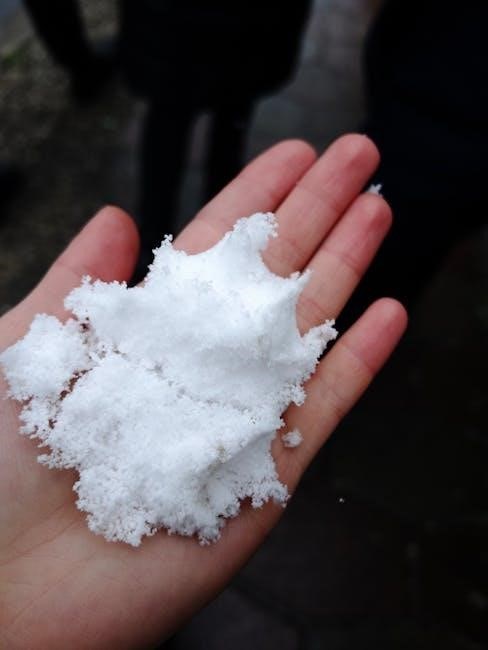
Instant snow is a fascinating, absorbent polymer that magically transforms water into a fluffy, snow-like substance. Unlike real snow, it doesn’t require freezing temperatures, making it a fantastic option for indoor winter fun year-round! It’s often used for sensory play, decorations, and even captivating science experiments, offering a safe and mess-contained alternative to building a snowman outdoors.

This artificial snow is typically available as a dry, white powder. When water is added, the polymer rapidly absorbs the liquid and expands, creating a voluminous, soft material that remarkably resembles real snow in texture and appearance. It’s a popular choice for creating winter wonderlands, holiday displays, or simply providing children with a unique and engaging sensory experience. The convenience and versatility of instant snow make it a delightful addition to any home or classroom.

The Science Behind Instant Snow

The magic behind instant snow lies in a polymer called sodium polyacrylate. This superabsorbent polymer has an incredible ability to absorb and retain extremely large amounts of liquid relative to its own mass – sometimes hundreds of times its weight! This absorption process is what causes the powder to expand and transform into a fluffy, snow-like material when water is added.

The polymer chains within sodium polyacrylate are cross-linked, creating a network that can trap water molecules. As water is introduced, it’s drawn into this network through osmosis, causing the polymer to swell. This swelling creates the voluminous, soft texture we associate with snow. It’s a fantastic demonstration of polymer chemistry in action, making it a fun and educational activity for all ages, blending science with playful exploration!

Types of Instant Snow Products

While the core concept remains the same – creating artificial snow – various instant snow products cater to different needs and preferences. The most common type utilizes sodium polyacrylate, offering a realistic, cold-to-the-touch experience and excellent packing ability for snowballs. However, variations exist in the quality and particle size of the polymer, impacting the final texture.

Beyond sodium polyacrylate-based options, DIY recipes offer alternatives using household ingredients like baking soda, shaving cream, cornstarch, and even salt. These methods provide a cost-effective solution, though the resulting “snow” often differs significantly in texture and feel. Each product presents unique advantages; some prioritize realism, while others focus on simplicity and accessibility, allowing you to choose the best fit for your desired winter wonderland!

Insta-Snow (Sodium Polyacrylate)

Insta-Snow, the brand synonymous with instant snow, primarily utilizes sodium polyacrylate – a superabsorbent polymer. This remarkable substance can absorb hundreds of times its weight in water, transforming it into a fluffy, snow-like material. The resulting texture is remarkably similar to real snow, offering a cool, slightly wet feel and the ability to pack into snowballs.

Sodium polyacrylate’s popularity stems from its ease of use and realistic results. It’s non-toxic, making it relatively safe for supervised play, though ingestion should be avoided. The quality of Insta-Snow can vary, with finer granules generally producing a smoother, more realistic snow. It’s a favorite for sensory play, decorations, and even simple science experiments demonstrating polymer properties.

DIY Instant Snow Alternatives

For those seeking budget-friendly options or alternatives to Insta-Snow, several DIY recipes deliver surprisingly effective results. Common household ingredients like baking soda and shaving cream combine to create a fluffy, albeit less realistic, snow substitute. Similarly, cornstarch and lotion can be mixed for a softer, more pliable snow-like texture.

Another popular method involves salt and water, with Epsom salt offering a particularly crystalline appearance. These alternatives often require experimentation with ingredient proportions to achieve the desired consistency. While they may not perfectly replicate the cold, packing ability, or clean-up ease of Insta-Snow, they provide a fun and accessible way to enjoy the magic of “snow” indoors, especially for quick activities and sensory exploration.

Making Instant Snow with Insta-Snow

Let’s transform water into snow in seconds! This section details activating Insta-Snow powder, providing a simple, step-by-step guide for instant winter wonder.

Materials Needed for Insta-Snow

To begin your instant snow adventure with Insta-Snow, gathering the correct materials is crucial for a successful and enjoyable experience. The primary component, of course, is Insta-Snow powder itself – sodium polyacrylate is the key ingredient responsible for the magical transformation. You’ll need a sufficient quantity of the powder, depending on how much snow you desire to create; a small packet can yield a surprisingly large volume!

Alongside the Insta-Snow, you’ll require water. Tap water works perfectly well, but distilled water can sometimes yield a slightly clearer, more pristine snow effect. A container is essential to hold the powder and water during the activation process; a plastic bin or bowl works best, allowing for easy mixing and expansion. Finally, a stirring utensil, such as a spoon or stick, will be needed to combine the powder and water effectively, initiating the snow-making process. Consider having trays or containers ready to display your finished, fluffy creation!

Step-by-Step Instructions: Insta-Snow Activation

Embark on the exciting process of creating instant snow with these simple, step-by-step instructions! Begin by carefully pouring the desired amount of Insta-Snow powder into your chosen container. Remember, a little goes a long way – it expands significantly! Next, slowly add water to the powder, starting with a small amount.

Gently stir the mixture as you add water. You’ll notice the powder immediately begin to absorb the liquid and transform into a fluffy, snow-like substance. Continue adding water gradually, stirring constantly, until you achieve your desired snow consistency. Avoid adding too much water at once, as this can result in a slushy texture. The activation process is remarkably quick, unfolding before your eyes in mere seconds! Once fully hydrated, your instant snow is ready for play and display.

Water Temperature Considerations

Achieving the perfect instant snow texture hinges significantly on water temperature. While Insta-Snow activates with both warm and cold water, the results differ noticeably. Generally, cold water yields a fluffier, more realistic snow-like consistency, closely mimicking the feel of real snow. This is because colder temperatures slow down the absorption rate, allowing for a more gradual expansion.

Conversely, warm water accelerates the activation process, leading to a slightly denser and potentially slushier texture. Though still enjoyable, it may not possess the same delicate, powdery feel as snow created with cold water. Room temperature water provides a balanced activation, offering a good compromise between speed and texture. Experimenting with different temperatures allows you to customize your instant snow to your preferred feel and application!

Powder to Water Ratio

The key to successful Insta-Snow creation lies in mastering the powder-to-water ratio. A general guideline is to start with approximately 1 part Insta-Snow powder to 10-20 parts water, measured by volume. However, achieving the ideal consistency often requires slight adjustments based on your desired snow texture and the specific brand of Insta-Snow used.

For a fluffier snow, lean towards the higher water ratio (1:20). If you prefer a more packable, denser snow, use less water (1:10). It’s best to add water gradually, mixing continuously, to avoid clumps and ensure even hydration. Remember, you can always add more water if the mixture is too dry, but it’s difficult to reverse if you add too much initially. Careful measurement and incremental additions are crucial for optimal results!

Troubleshooting Insta-Snow Activation

If your Insta-Snow isn’t expanding as expected, several factors could be at play. First, ensure you’re using enough water; a common mistake is underestimating the required volume. Second, check the water temperature – lukewarm water generally works best, as very cold water can slow down the absorption process.

Persistent clumps indicate insufficient mixing or adding water too quickly. Gently break up clumps with your hands or a spoon while continuing to hydrate. If the powder remains stubbornly dry, try adding a tiny bit more water, a teaspoon at a time, and mixing thoroughly. Conversely, if the mixture is overly watery, add a small amount of dry powder. Patience and gradual adjustments are key to resolving activation issues and achieving the perfect snowy texture!
DIY Instant Snow Recipes

Explore fantastic alternatives to Insta-Snow using common household items! We’ll guide you through creating fluffy snow with baking soda, shaving cream, cornstarch, and even salt.

Baking Soda and Shaving Cream Snow

Creating snow with baking soda and shaving cream is a delightfully simple and cost-effective method! This recipe yields a surprisingly realistic texture, offering a fantastic sensory experience for children and adults alike. The combination creates a fluffy, moldable snow that’s perfect for building miniature snowmen or engaging in imaginative winter play.

The key to success lies in the gradual addition of shaving cream to the baking soda. Start with a generous amount of baking soda in a large bowl and slowly incorporate the shaving cream, mixing continuously. You’ll notice the mixture begin to transform, taking on a snow-like consistency. Continue adding shaving cream until you achieve your desired texture – it should hold its shape when squeezed but remain soft and fluffy. This DIY snow is a fantastic alternative when Insta-Snow isn’t available, providing instant winter fun!

Baking Soda Snow: Ingredient Proportions

For a successful baking soda snow creation, maintaining the correct ingredient proportions is crucial. A generally recommended starting point is approximately 1 cup of baking soda to ½ cup of shaving cream. However, this ratio is flexible and can be adjusted to achieve your preferred snow consistency.

Begin by thoroughly mixing the baking soda in a large container. Gradually add the shaving cream, a little at a time, kneading it into the baking soda with your hands or a spoon. Observe the texture as you mix; you may need to add slightly more shaving cream if the mixture remains too dry and crumbly. Conversely, if it becomes overly sticky, incorporate a bit more baking soda. The ideal result is a snow that packs together easily but still feels light and airy – experimentation is key to finding your perfect blend!

Shaving Cream Snow: Texture and Feel

The texture of baking soda snow created with shaving cream is remarkably soft and fluffy, closely mimicking the feel of real snow – though it won’t be cold! The shaving cream acts as a binding agent, transforming the granular baking soda into a moldable, packable substance. Initially, the mixture may feel slightly damp, but as it sits, it will become lighter and airier.

Unlike some other DIY snow recipes, shaving cream snow offers a pleasant, almost velvety texture. It’s gentle on hands and provides a satisfying sensory experience, making it ideal for children’s play. However, it’s important to note that this snow isn’t as durable as Insta-Snow and will gradually lose its form over time. The feel can also vary depending on the type of shaving cream used; gel-based creams tend to produce a stickier result.

Cornstarch and Lotion Snow

Creating “snow” with cornstarch and lotion yields a unique texture, differing significantly from other DIY options. The lotion, acting as the binding agent, transforms the powdery cornstarch into a soft, pliable substance. This mixture generally feels cooler to the touch than baking soda-based snow, though it won’t replicate the chill of actual snow. The consistency is often described as silky and smooth, offering a pleasant sensory experience.

The ratio of cornstarch to lotion is crucial; too little lotion results in a dry, crumbly mixture, while too much creates a sticky, paste-like consistency. This snow is relatively easy to mold and pack, making it suitable for building small snowmen or creating snowy scenes. However, it’s less durable than Insta-Snow and can become clumpy with prolonged handling.

Salt and Water Snow (Epsom Salt Option)

Utilizing salt and water provides a simple, albeit less realistic, approach to crafting instant snow. Table salt, when mixed with water, creates a crystalline structure resembling small snowflakes; However, this “snow” tends to be wet and doesn’t hold its shape well, making it less ideal for building or prolonged play. Epsom salt offers a noticeable improvement, producing larger, more defined crystals that more closely mimic the appearance of snow.

The key is slow addition of water to the salt, stirring continuously until the desired consistency is achieved. This mixture is best suited for visual displays rather than tactile exploration. It doesn’t pack easily and will dissolve over time. Clean-up is straightforward, as salt readily dissolves in water, but be mindful of potential slipperiness.

Playing with Instant Snow

Unleash creativity with sensory play, winter wonderland displays, and exciting science experiments using your newly created instant snow for endless fun!

Sensory Play Ideas

Instant snow provides a fantastic sensory experience for children of all ages, offering a unique tactile adventure. Encourage exploration by letting them scoop, mold, and build with the fluffy material. Hide small toys within the snow for a captivating discovery game, fostering imagination and problem-solving skills.

Create a miniature winter landscape with figurines, trees, and other decorations, allowing children to construct their own snowy worlds. Introduce tools like shovels, buckets, and molds to enhance the play experience and develop fine motor skills. The cool, soft texture of instant snow is incredibly soothing and can be particularly beneficial for children with sensory sensitivities.

Experiment with adding scents like peppermint or winter pine to the snow for an extra layer of sensory stimulation. Remember to always supervise young children during sensory play to ensure a safe and enjoyable experience.

Instant Snow for Decorations

Transform your home into a winter wonderland with the versatile decorating potential of instant snow! It’s a fantastic base for festive displays, offering a realistic snowy effect without the cold. Create charming miniature scenes featuring holiday villages, twinkling lights, and miniature figurines nestled amongst the fluffy snow.

Use instant snow to fill glass jars or bowls, adding ornaments or battery-operated candles for a captivating centerpiece. Sprinkle it around the base of Christmas trees for a magical touch, or create a snowy pathway leading to your front door. It’s perfect for enhancing winter-themed parties and events, adding a touch of enchantment to any space.

Consider using it to create a snowy backdrop for photographs, or to embellish gift packaging for a unique and festive presentation. The possibilities are endless – let your creativity shine!

Winter Wonderland Displays

Embark on creating breathtaking winter wonderland displays using the magic of instant snow! Begin by envisioning a miniature landscape – perhaps a quaint village nestled amongst snow-covered hills. Utilize large trays or containers as your base, layering the instant snow to create varying depths and textures, mimicking realistic snowfall.

Incorporate miniature pine trees, charming cottages, and tiny figurines to populate your scene. Add twinkling fairy lights for a warm, inviting glow, enhancing the magical atmosphere. Consider building a miniature ski slope or ice-skating rink using the snow’s moldable properties.

For a dramatic effect, elevate certain elements using risers or boxes, creating a sense of depth and perspective. Don’t forget to add small details like miniature snowmen or reindeer to complete your enchanting winter scene – a truly captivating display!

Holiday Decorations

Transform your home into a festive winter paradise with instant snow holiday decorations! Create a stunning base for your Christmas village, providing a realistic snowy landscape for miniature houses and figures. Use it to embellish wreaths and garlands, adding a touch of winter magic to your doorways and mantels.

Craft unique ornaments by molding the snow around small baubles or figurines, creating personalized holiday keepsakes. Fill glass jars with instant snow and add battery-operated tea lights for enchanting snow globes. Enhance gift wrapping by sprinkling a light dusting of snow over packages, adding a whimsical touch.

Design a festive centerpiece for your holiday table, incorporating snow-covered branches and ornaments. Instant snow offers a mess-free and captivating way to elevate your holiday décor, spreading cheer throughout the season!

Instant Snow Science Experiments

Unleash your inner scientist with captivating experiments using instant snow! Explore the fascinating polymer chemistry behind sodium polyacrylate as it absorbs water and expands, demonstrating super-absorbent properties. Investigate how different water temperatures affect the snow’s formation and texture, observing the rate of absorption.

Conduct experiments on snow’s capacity to hold water, comparing it to real snow. Examine the snow’s texture and packing ability, relating it to its molecular structure. Explore concepts like cross-linking polymers and observe how salt impacts the snow’s consistency.

These hands-on activities provide a fun and educational way to learn about science, making instant snow a perfect tool for STEM learning and sparking curiosity in all ages!

Clean-Up and Safety

Ensure a worry-free experience by containing the mess, disposing of snow properly, and prioritizing safety—especially with young children—avoiding ingestion at all costs.

Containing the Mess

Instant snow, while wonderfully fun, can be surprisingly messy! Due to its absorbent nature, it will continue to expand as it absorbs moisture, potentially spreading beyond its initial containment area. To minimize cleanup, begin by creating your instant snow within a designated space – a large plastic bin, a waterproof tray, or even a section of a room covered with a drop cloth are excellent choices.

Consider the surface you’re working on; carpets are particularly susceptible to clinging snow particles. Placing a large sheet of plastic underneath your play area provides a barrier and simplifies collection. Encourage children to play over the designated area, reinforcing boundaries. Having damp cloths or paper towels readily available allows for quick spot cleaning of any stray snow. Remember, even contained, some small particles may escape, so vigilance is key to a manageable cleanup!

Disposal of Instant Snow

Proper disposal of instant snow, primarily sodium polyacrylate, is crucial for environmental responsibility and preventing plumbing issues. Do not flush instant snow down the toilet or pour it down the drain – it will expand and cause significant blockages! Instead, allow the snow to completely dry out. As it dries, it will return to a granular, powdery form.

Once fully dried, the small amount of remaining material can typically be disposed of with your regular household trash. For larger quantities, check with your local waste management services for specific guidelines regarding polymer disposal. Avoid composting, as the polymer doesn’t readily break down. Responsible disposal ensures that this fun material doesn’t negatively impact our water systems or the environment, allowing everyone to enjoy the magic responsibly.

Safety Precautions

While generally safe, instant snow requires certain safety precautions, especially when children are involved. Sodium polyacrylate is non-toxic, but it can cause irritation if it gets in the eyes or is ingested. Always supervise young children during playtime to prevent accidental consumption. If ingested, drink plenty of water; it’s not harmful but can cause mild stomach upset.

Avoid getting the dry powder in the eyes, as it can cause temporary discomfort. If contact occurs, rinse thoroughly with water. Keep the powder stored securely, out of reach of small children and pets. Be mindful of slippery surfaces when playing with larger amounts of hydrated instant snow. Prioritizing these simple safety measures ensures a fun and worry-free experience for everyone enjoying this wintery wonder!

Supervision for Young Children

Constant supervision is paramount when young children are playing with instant snow. While the materials are generally considered non-toxic, the potential for ingestion or accidental contact with eyes exists. Toddlers and preschoolers are naturally curious and may explore with their mouths, making close monitoring essential. Ensure they understand that instant snow is not edible.

Adults should actively engage in playtime, guiding children and redirecting any attempts to taste the snow. Be prepared to quickly address any spills or messes to prevent tracking of the hydrated polymer throughout the house. Supervision isn’t just about preventing mishaps; it’s about fostering a safe and enjoyable experience, allowing children to explore the sensory wonders of instant snow with confidence and care.

Avoiding Ingestion

Although generally non-toxic, ingestion of instant snow – particularly sodium polyacrylate – should be strictly avoided. Swallowing can cause gastrointestinal upset, including stomach pain, nausea, and potentially, bowel obstruction if a significant amount is consumed. It’s crucial to emphasize to children that instant snow is not food and is solely for play and sensory exploration.

Keep the unhydrated powder securely stored out of reach of young children. During playtime, actively discourage any mouthing or tasting of the snow. If ingestion occurs, do not induce vomiting. Instead, offer small sips of water to dilute and contact a poison control center or medical professional immediately for guidance. Prioritizing preventative measures and clear communication is key to ensuring a safe and fun experience with instant snow.


Byvella

fall river tv guide

Fall River TV Guide: Comprehensive Listings & Information (April 22, 2026)

Discover complete TV listings for Fall River, Massachusetts, including local channels, streaming options, and community programming as of today, April 22, 2026.

Understanding Fall River TV Listings

Navigating the television landscape in Fall River, Massachusetts, requires understanding the various options available. This guide focuses on accessing free, over-the-air (OTA) broadcasts, alongside cable, satellite, and emerging streaming services. The NoCable TV listings provide a comprehensive schedule of what’s currently airing and upcoming programs on local broadcast channels within the 02724 zip code and surrounding areas (02721, 02723, 02722).

OTA TV utilizes a digital antenna to receive signals from broadcast towers, offering a cost-effective alternative to paid subscriptions. These listings detail programs available through this method. However, signal strength can vary based on location and antenna quality. Beyond traditional broadcasts, Fall River benefits from local government and community channels like FRGTv (Channel 97) and FRCMedia (Channel 95), offering unique local content.

This guide aims to simplify the process of finding what to watch, whether you prefer free OTA channels, cable/satellite packages, or the flexibility of streaming platforms. We also highlight resources for community information broadcast on local channels.

Over-the-Air (OTA) TV in Fall River, MA

Over-the-Air television remains a viable and free option for viewers in Fall River, Massachusetts. Utilizing a digital TV antenna, residents can access a range of broadcast channels without monthly subscription fees. The quality of reception depends on antenna type, placement, and distance from broadcast towers. A good antenna can pull in signals from Providence, RI, and Boston, MA, expanding channel options beyond local Fall River stations.

NoCable TV listings are particularly useful for OTA viewers, providing a schedule of available programs. These listings detail what’s currently on and upcoming broadcasts for free, local channels. Commonly received channels include network affiliates offering news, sports, and entertainment programming.

For Fall River (zip codes 02724, 02721, 02723, 02722), OTA TV offers a compelling alternative or supplement to cable and satellite, providing access to popular shows and events at no cost.

Local Broadcast Channels Available

Fall River, Massachusetts, and surrounding areas benefit from a variety of locally available broadcast channels accessible via over-the-air (OTA) antennas. These channels deliver news, entertainment, and local programming directly to homes. While specific channel lineups can vary based on antenna quality and location, viewers can generally expect to receive major network affiliates like ABC, NBC, CBS, and FOX, broadcasting from nearby transmission sites.

Additionally, Fall River is served by local government and community channels. FRGTv (Channel 97) and FRCMedia (Channel 95) provide vital local news, community events coverage, and public access programming. These channels are crucial resources for residents seeking information about Fall River’s government, schools, and local happenings.

Checking current TV listings, such as those provided by NoCable, is recommended to confirm specific channel availability and program schedules in your particular Fall River zip code.

Using NoCable TV Listings

NoCable TV listings offer a comprehensive and user-friendly resource for discovering what’s currently airing and scheduled for broadcast on local channels in Fall River, Massachusetts (zip codes 02724, 02721, 02723, and 02722). This free service is particularly valuable for cord-cutters and those relying on OTA antennas to access television programming.

The NoCable guide aggregates schedules from major broadcast networks and local stations, presenting a clear and concise overview of available shows and movies. Users can easily browse by channel, time, or program title to find their desired content. It’s an excellent tool for planning your viewing schedule and ensuring you don’t miss your favorite programs.

Furthermore, NoCable’s listings are regularly updated, providing accurate and reliable information. It’s a convenient alternative to traditional printed TV guides, offering accessibility from any device with an internet connection.

Fall River ZIP Code Specific Guides (02724, 02721, 02723, 02722)

Accessing tailored TV listings for specific Fall River zip codes – 02724, 02721, 02723, and 02722 – ensures you receive the most accurate broadcast schedules for your precise location. While Fall River generally shares the same local channels, slight variations in signal strength and channel availability can occur based on your address.

Utilizing online TV guide resources, like NoCable, allows you to refine your search by entering your zip code. This filters the listings to display only the channels and programs reliably receivable in your area. This is crucial for maximizing your over-the-air (OTA) viewing experience with an antenna.

Confirming channel lineups specific to your zip code guarantees you won’t encounter frustrating discrepancies between the schedule and what’s actually broadcast. Regularly checking these localized guides optimizes your TV viewing in Fall River.

Accessing TV Guide Listings Online

Numerous online platforms provide comprehensive TV guide listings for Fall River, Massachusetts, offering convenient access to schedules for both broadcast and streaming channels. TVGuide.com stands out as a reliable resource, allowing users to search by channel, time, or program title to pinpoint desired content.

NoCable is another excellent option, specializing in OTA TV listings, perfect for antenna users in Fall River. It details what’s currently airing and upcoming shows on local broadcast channels, ensuring you don’t miss your favorite programs. These websites are typically updated in real-time, providing accurate information.

Furthermore, many cable and satellite providers offer their own online TV guides accessible through their websites or mobile apps. Exploring these options provides a centralized hub for managing your entire TV experience, including recording schedules and on-demand content.

Fall River Government Television (FRGTv) ─ Channel 97

Fall River Government Television (FRGTv), accessible on Xfinity Channel 97 in Fall River, MA, serves as a vital source of local information and community programming. FRGTv is dedicated to keeping residents informed about city government, local events, and important community initiatives.

The channel broadcasts a diverse range of content, including city council meetings, school committee updates, and public service announcements. Beyond governmental coverage, FRGTv also features programs focused on job listings, pet adoptions, and essential policies and forms for residents.

Viewers can access FRGTv’s full schedule, programs, and live stream through their official website, www.frgtv.us, alongside podcasts and community resources. FRGTv actively engages with the community through its social media presence, fostering transparency and civic participation.

FRGTv Programming Overview

FRGTv’s programming is meticulously designed to serve the diverse needs of the Fall River community. A core component involves comprehensive coverage of local government, including live broadcasts and recordings of city council and school committee meetings, ensuring transparency and citizen engagement.

Beyond governmental proceedings, FRGTv dedicates airtime to vital community services. This includes dedicated segments for Fall River job listings, providing a platform for local employment opportunities. Furthermore, the channel actively promotes animal welfare through regular pet adoption spotlights, connecting animals with loving homes.

Residents can also find crucial information regarding city policies, downloadable forms, and important public service announcements. FRGTv strives to be a central hub for local information, fostering a well-informed and connected citizenry through its varied and accessible programming.

Watching FRGTv Live Online

For those unable to tune into Xfinity Channel 97 in Fall River, Massachusetts, FRGTv offers convenient live streaming options via their official website, www.frgtv.us. This allows residents and those with ties to the community to stay connected to local government and community events regardless of location.

The website also features an archive of previously aired programs, including city council meetings, school committee discussions, and community-focused shows. This on-demand access ensures that important information remains readily available to the public at any time.

In addition to live streaming and archived content, FRGTv also distributes programming through podcasts, offering an alternative way to consume local news and information. This multi-platform approach maximizes accessibility and caters to diverse viewing preferences within the Fall River community.

FRCMedia ─ Channel 95 Programs

FRCMedia, broadcasting on Channel 95, provides a diverse range of programming serving the Fall River area and surrounding communities like Falmouth, Fayville, and Fitchburg. While specific schedules fluctuate, the channel consistently focuses on local interest content, offering a platform for community voices and events.

Viewers can anticipate a mix of locally produced shows, public access programming, and coverage of regional happenings. FRCMedia aims to showcase the unique character of the area, highlighting local talent, organizations, and initiatives. The channel serves as a vital resource for residents seeking information about their communities.

For detailed program listings and schedules, it’s recommended to check local sources or directly contact FRCMedia. The channel’s commitment to local content makes it a valuable asset for staying informed and connected within the Fall River region.

Cable & Satellite TV Options in Fall River

Residents of Fall River have several options beyond over-the-air (OTA) broadcasts for their television entertainment needs. Major cable providers, such as Xfinity, commonly serve the area, offering a wide array of channels, on-demand content, and bundled services including internet and phone.

Satellite television services, like DISH Network and DIRECTV, also provide coverage in Fall River, presenting an alternative to cable with potentially different channel lineups and pricing structures. These services often excel in providing access to sports and premium movie channels.

When choosing a provider, consider factors like channel preferences, budget, desired features (DVR, streaming apps), and customer service reputation. Comparing packages and promotions from multiple providers is crucial to finding the best fit for your household’s viewing habits and financial constraints.

TV Listings for Fall River, Wisconsin

For viewers in Fall River, Wisconsin, accessing local television schedules requires a slightly different approach than in Massachusetts. While national broadcast networks are available, the specific channel lineups and times will vary based on your local cable or satellite provider, or your OTA antenna reception.

TVGuide.com offers a dedicated section for Fall River, Wisconsin, providing listings for both broadcast and cable/satellite channels. This resource allows you to search by channel, time, or program title to find what’s currently airing or scheduled for later.

Remember to confirm the accuracy of listings with your provider, as schedules can sometimes change. Exploring streaming services is also a viable option to supplement traditional TV viewing, offering a diverse range of content beyond local broadcasts. Check local listings for community events and programming.

TV Listings for Fall River, Kansas

Residents of Fall River, Kansas, have access to television programming through a combination of over-the-air (OTA) broadcasts, cable, and satellite services, as well as increasingly popular streaming platforms. To find a comprehensive TV guide, TVGuide.com provides dedicated listings specifically tailored for the Fall River, Kansas area.

These listings encompass schedules for local broadcast channels, cable networks, and satellite providers, allowing viewers to easily discover what’s currently on TV or scheduled for later viewing. You can search by channel, program title, or time to pinpoint specific shows or events.

Don’t forget to verify schedules with your service provider, as changes can occur. Streaming services offer an alternative, providing a vast library of on-demand content and live TV options. Explore these resources for a complete entertainment experience.

Community Programming & Local Shows

Fall River boasts a vibrant local television scene, primarily through FRGTv (Channel 97) and FRCMedia (Channel 95). These channels are dedicated to showcasing community events, local government meetings, and programs created by and for the residents of Fall River, Massachusetts.

FRGTv frequently airs town hall meetings, school board discussions, and coverage of local festivals and parades. FRCMedia complements this with additional community-focused content, offering a platform for local voices and perspectives. Both channels actively encourage resident participation in program creation.

Beyond these dedicated channels, local news segments and community calendars are often featured on regional broadcast stations. Checking the schedules for FRGTv and FRCMedia directly, via their website www.frgtv.us, is the best way to stay informed about upcoming local shows and events.

Fall River Job Listings & Community Resources (via FRGTv)

Fall River Government Television (FRGTv), Channel 97, extends its community service beyond programming by actively providing valuable resources to local residents. A key component of this is a dedicated section for Fall River job listings, regularly updated with opportunities from various local employers.

FRGTv understands the importance of connecting residents with employment prospects and aims to be a central hub for job seekers. Alongside job postings, the channel also features information on community resources, including details about local social services, health organizations, and educational programs.

These resources are typically presented as scrolling text during program breaks or as dedicated segments within specific shows. Residents can find more detailed information and access links to relevant websites through the FRGTv website www.frgtv.us, making it a comprehensive source for both career advancement and community support.

Pet Adoption Information (via FRGTv)

Fall River Government Television (FRGTv), Channel 97, demonstrates a commitment to animal welfare by regularly broadcasting pet adoption information. This valuable service partners with local animal shelters and rescue organizations to showcase animals in need of loving homes.

The channel features segments dedicated to highlighting adoptable pets, often including photos and brief descriptions of their personalities. These segments aim to increase awareness and encourage residents to consider adoption as a responsible and rewarding option. FRGTv also provides details on upcoming adoption events and how to contact the participating shelters.

Viewers can find more comprehensive information, including adoption applications and shelter contact details, on the FRGTv website www.frgtv.us. This initiative not only helps find homes for animals but also promotes responsible pet ownership within the Fall River community, fostering a compassionate environment for all creatures.

FRGTv Policies & Forms

Fall River Government Television (FRGTv), Channel 97, maintains transparency and accessibility by providing a dedicated section for policies and necessary forms on its website, www.frgtv.us; These resources are crucial for community members wishing to engage with the station, whether submitting content, requesting coverage, or seeking permission to film on city property.

The policies cover a range of topics, including content guidelines, public access regulations, and procedures for addressing concerns or complaints. Available forms include applications for community producers, location release forms, and requests for access to FRGTv facilities. FRGTv strives to ensure fair and equitable access for all residents.

These documents are readily downloadable in common formats, promoting ease of use and understanding. By clearly outlining its operational procedures, FRGTv fosters a collaborative relationship with the Fall River community and upholds its commitment to responsible broadcasting.

Staying Updated with Fall River TV Schedules

Keeping abreast of the ever-changing television landscape in Fall River requires utilizing multiple resources. The NoCable TV listings guide provides a comprehensive, regularly updated schedule for over-the-air (OTA) channels, accessible online for residents in ZIP codes 02724, 02721, 02723, and 02722. This is ideal for free, antenna-based viewing.

For specific programming related to local government and community events, FRGTv (Channel 97) offers a detailed schedule on its website, www.frgtv.us, including live streaming options and podcast availability. FRCMedia (Channel 95) also lists its current programs online.

Additionally, traditional TV Guide websites like TVGuide.com offer listings for cable and satellite subscribers. Regularly checking these sources ensures you don’t miss local news, community programming, or your favorite shows in Fall River, Massachusetts.

Beyond Local Channels: Streaming Options

While Fall River benefits from robust OTA and local channel access, numerous streaming services supplement viewing choices. Popular platforms like Netflix, Hulu, Disney+, and Amazon Prime Video offer extensive on-demand libraries, catering to diverse tastes. These services require a subscription and reliable internet connection.

For those seeking live TV without cable, services like YouTube TV, Sling TV, and FuboTV provide access to many broadcast and cable channels. These offer a more traditional TV experience streamed over the internet. Many also include DVR capabilities.

Furthermore, free, ad-supported streaming services such as Tubi, Pluto TV, and The Roku Channel present a cost-effective alternative. Combining OTA access with streaming provides Fall River residents with a comprehensive and flexible entertainment solution, extending viewing beyond local broadcasts.

Byvella

hi yield 38 plus instructions

Hi-Yield 38 Plus Instructions: A Comprehensive Guide

Navigating effective weed management requires diligent adherence to guidelines; explore diverse templates, from Angular websites to presentation slides,
for impactful communication and project success.

Understanding Hi-Yield 38 Plus

Hi-Yield 38 Plus is a versatile herbicide designed for comprehensive vegetation control, mirroring the diverse range of available website templates. Like choosing from 195 Angular themes, understanding its formulation is key. It’s crucial to recognize that, similar to selecting a professional PowerPoint template, proper application dictates success.

This product isn’t simply a chemical; it’s a tool demanding respect and knowledge. Just as a well-crafted resume template highlights skills, Hi-Yield 38 Plus requires understanding its strengths. Effective use, like building a website with Canvas templates, relies on careful planning and execution. Its efficacy stems from a specific blend of active ingredients, demanding precise adherence to instructions for optimal results.

What is Hi-Yield 38 Plus Used For?

Hi-Yield 38 Plus serves as a broad-spectrum herbicide, much like a diverse template library caters to varied website needs. It’s employed for controlling unwanted vegetation in numerous settings, from agricultural fields to non-crop areas. Similar to selecting from 900 blog templates, its application is adaptable.

Specifically, it targets a wide array of annual and perennial grasses, broadleaf weeds, and even some woody brush. Think of it as a comprehensive solution, akin to a premium PowerPoint template offering extensive design options; Its versatility makes it suitable for site preparation, spot treatments, and total vegetation control, mirroring the flexibility of customizable resume templates.

Active Ingredients and Formulation

Hi-Yield 38 Plus’s effectiveness stems from its carefully balanced formulation, much like a well-designed Angular theme. The active ingredient is glyphosate, in the form of its isopropylamine salt, present at 41.0% concentration. This is combined with other ingredients that enhance its penetration and systemic action, similar to how premium templates boost presentation impact.

The formulation is a soluble liquid, designed for easy mixing and application. It’s akin to choosing a readily customizable website template. These additional components ensure optimal weed control by disrupting plant enzyme functions, mirroring the comprehensive features found in extensive template libraries. The product’s stability and performance are key.

Safety Precautions Before Use

Prior to application, a thorough risk assessment is crucial, much like selecting the right template for a project. Always read the entire label and Safety Data Sheet (SDS) before handling or using Hi-Yield 38 Plus. Understand potential hazards and necessary precautions. Avoid contact with skin, eyes, and clothing – similar to protecting digital assets.

Ensure adequate ventilation during mixing and application. Do not eat, drink, or smoke while using this product. Keep away from children, pets, and food sources. Proper planning prevents problems, mirroring the benefits of a well-structured website. Be mindful of environmental conditions and potential drift.

Personal Protective Equipment (PPE)

Just as a robust website requires security measures, safe Hi-Yield 38 Plus application demands appropriate PPE. When mixing, loading, or applying, wear chemical-resistant gloves, long-sleeved shirts, and long pants. Eye protection, such as goggles or a face shield, is essential to prevent irritation – akin to safeguarding user data.

A respirator may be required depending on application methods and environmental conditions; consult the label. Footwear should be chemical-resistant. Thoroughly wash hands and any exposed skin after handling the product. Proper PPE minimizes exposure, mirroring the importance of a well-defended digital presence.

Environmental Hazards

Similar to ensuring website accessibility, responsible Hi-Yield 38 Plus use prioritizes environmental protection. This product can be toxic to aquatic organisms, including fish and invertebrates. Avoid drift or runoff into waterways, drainage systems, or bodies of water – mirroring careful data handling.

Do not contaminate water when cleaning equipment or disposing of excess pesticide. Consider the potential impact on non-target plants and beneficial insects. Follow label instructions meticulously to minimize environmental risks. Proper application techniques and containment measures are crucial, just as robust security protocols protect online systems.

Mixing Instructions

Much like assembling a complex Angular template, precise mixing is vital for Hi-Yield 38 Plus efficacy. Begin by filling the spray tank with the required amount of water, ensuring adequate agitation; Then, add the specified amount of Hi-Yield 38 Plus, following label directions exactly.

Maintain continuous agitation throughout the mixing and application process to ensure a uniform suspension. Avoid adding other pesticides or fertilizers unless compatibility has been verified – akin to testing code integration. Always add Hi-Yield 38 Plus to water, never the reverse, to prevent clumping.

Water Volume Requirements

Similar to selecting the right template for a website’s design, water volume is crucial for optimal Hi-Yield 38 Plus performance. Ground applications generally require 20-100 gallons of water per acre, depending on the target weed species and growth stage. Aerial applications typically utilize 5-10 gallons per acre.

Lower volumes necessitate increased spray pressure and nozzle capacity for adequate coverage, much like optimizing code for efficient rendering. Always consult the product label for specific recommendations based on your application method and target pests. Insufficient water volume can lead to reduced efficacy, while excessive volume may cause runoff.

Tank Mixing Compatibility

Just as diverse templates integrate seamlessly with various platforms, Hi-Yield 38 Plus demonstrates compatibility with many commonly used herbicides and liquid fertilizers. However, a jar test is always recommended before large-scale tank mixing, mirroring the testing phase of web development. This ensures physical compatibility – checking for clumping, settling, or precipitation.

Avoid mixing with products containing copper or highly alkaline materials, similar to avoiding conflicting code libraries. Consult with your local agricultural extension agent or the product label for specific compatibility information. Prioritize mixing order: wettable powders first, then flowables, and finally emulsifiable concentrates.

Application Methods

Similar to selecting the right website template for optimal user experience, choosing the correct application method is crucial for Hi-Yield 38 Plus’s effectiveness. Both ground and aerial applications are permitted, but careful consideration of factors like target area, weed density, and environmental conditions is paramount.

Ground applications typically utilize boom sprayers equipped with appropriate nozzles, ensuring uniform coverage; Aerial applications require calibrated spray equipment and adherence to drift reduction guidelines. Always prioritize minimizing off-target movement, much like ensuring responsive design across all devices. Proper calibration and nozzle selection are vital for consistent results.

Ground Application Techniques

Just as a well-structured Angular template provides a solid foundation, precise ground application techniques are essential for Hi-Yield 38 Plus. Utilize boom sprayers with properly selected nozzles – flat fan or hollow cone – to deliver consistent spray patterns; Maintain a constant spray pressure, typically between 40-60 PSI, and travel speed of 2-5 mph.

Overlap spray patterns by 50% to ensure complete coverage, similar to responsive design adapting to various screen sizes. Calibrate equipment regularly and inspect nozzles for wear. Avoid spraying during windy conditions to minimize drift. Thoroughly flush the sprayer system after each use, mirroring the importance of clean code in web development.

Aerial Application Guidelines

Similar to choosing the right presentation template for impact, aerial application of Hi-Yield 38 Plus demands careful planning. Employ fixed-wing aircraft or helicopters equipped for precise spray delivery. Utilize nozzles producing medium to coarse spray droplets to reduce drift, akin to optimizing website loading speeds.

Maintain a consistent flight altitude and airspeed, typically 150-200 feet and 120-150 mph, respectively. Avoid application during temperature inversions or windy conditions. Flagmen or aerial applicators must notify nearby residents before spraying. Ensure proper calibration and documentation, mirroring the meticulousness of a well-coded Angular application.

Target Pests and Weeds

Just as selecting the ideal resume template highlights strengths, Hi-Yield 38 Plus effectively controls a broad spectrum of unwanted vegetation. This includes annual and perennial grasses like crabgrass, foxtail, and Johnson grass, mirroring the diverse options in blog templates.

It also targets troublesome broadleaf weeds such as dandelion, clover, and plantain. Control extends to certain sedges, offering comprehensive weed management. Remember, successful application, like a captivating presentation, requires understanding the target. Always consult the product label for a complete list of susceptible species and application guidelines, ensuring optimal results.

Broadleaf Weed Control

Similar to choosing a professionally designed PowerPoint template for impact, Hi-Yield 38 Plus delivers robust control of numerous broadleaf weeds. Common targets include dandelion, clover, chickweed, and plantain, mirroring the extensive library of customizable options available.

Effective control relies on post-emergent application when weeds are actively growing. Proper timing and dosage, as outlined on the product label, are crucial for success. Consider environmental factors and avoid application during windy conditions. Like selecting the right Angular theme, precision is key to achieving desired results and maintaining a healthy landscape.

Grass and Sedge Control

Just as a diverse collection of resume templates caters to various career paths, Hi-Yield 38 Plus offers control over specific grass and sedge species. It effectively manages annual bluegrass, crabgrass, and dallisgrass, though control levels can vary based on maturity and environmental conditions.

For optimal results, apply post-emergent when grasses are young and actively growing. Thorough coverage is essential, akin to ensuring every element of a blog template is perfectly aligned. Always consult the product label for specific rate recommendations and limitations, mirroring the detailed instructions found with premium website themes.

Application Timing and Rates

Similar to selecting the ideal PowerPoint template for a specific audience, precise timing and rates are crucial for Hi-Yield 38 Plus efficacy. Application windows depend on whether targeting pre-emergent or post-emergent control, mirroring the strategic planning needed for a successful website launch.

Pre-emergent applications should occur before weed seeds germinate, typically in early spring. Post-emergent applications are most effective on young, actively growing weeds. Rates vary based on weed species and growth stage; always consult the product label for specific guidance, much like referencing instructions for Angular themes.

Pre-Emergent Application

Just as choosing a blog template sets the foundation for content, pre-emergent application establishes a barrier against weed germination. This preventative approach requires timing applications before weed seeds sprout, typically in early spring or before the last frost, mirroring proactive website security measures.

Ensure a uniform application to the soil surface. Light irrigation or rainfall is needed to activate the herbicide, similar to deploying a new Angular theme. Proper soil moisture is vital for optimal performance. Refer to the product label for specific rate recommendations based on soil type and target weeds, akin to customizing a resume template.

Post-Emergent Application

Similar to refining a presentation with impactful infographics, post-emergent application targets weeds that have already emerged. This requires careful consideration of weed size and species, much like selecting the right features for an Angular template.

Hi-Yield 38 Plus can be effective on young, actively growing weeds. Thorough coverage is crucial; ensure spray droplets contact all leaf surfaces, mirroring the need for complete website customization. Adjuvants may be necessary to enhance herbicide absorption, comparable to optimizing a resume for applicant tracking systems. Always consult the label for specific rates and limitations, just as you’d follow design guidelines.

Storage and Disposal

Proper storage and disposal of Hi-Yield 38 Plus are paramount, akin to maintaining a well-organized library of website templates. Store the product in a cool, dry, locked location, inaccessible to children, pets, and unauthorized personnel – mirroring secure coding practices for Angular themes.

Avoid storing near food, feed, or water sources. Disposal must comply with federal, state, and local regulations; never pour unused herbicide down the drain or into the environment, similar to responsibly archiving outdated project files. Triple rinse the container and dispose of it according to label instructions, ensuring environmental protection.

Proper Storage Conditions

Maintaining optimal storage conditions for Hi-Yield 38 Plus is crucial, much like preserving a collection of premium PowerPoint templates. Keep containers tightly closed and store in a cool, dry, well-ventilated area, away from direct sunlight and heat sources. Temperatures should ideally remain between 50°F and 80°F, preventing product degradation – similar to safeguarding digital assets.

Avoid storing near food, feedstuffs, or water supplies. Secure the product out of reach of children, pets, and unauthorized individuals, mirroring data security protocols. Regularly inspect containers for leaks or damage, ensuring product integrity and preventing accidental exposure.

Safe Disposal Practices

Responsible disposal of Hi-Yield 38 Plus is paramount, akin to carefully archiving outdated website templates. Do not reuse empty containers; triple rinse them with water and offer for recycling if available, or puncture and dispose of in a sanitary landfill according to local regulations.

Never pour unused product down the drain or into waterways, mirroring responsible digital data deletion. Follow all federal, state, and local guidelines for pesticide disposal. Contact your local waste management authority for specific instructions. Improper disposal contaminates the environment, much like poorly coded templates can compromise a website.

First Aid Measures

Immediate action is crucial if exposure to Hi-Yield 38 Plus occurs, similar to swiftly debugging a faulty website template. If swallowed, do not induce vomiting; seek medical attention immediately. For eye contact, flush with water for 15-20 minutes and consult a physician.

In case of skin contact, wash thoroughly with soap and water. If irritation persists, seek medical advice. For inhalation, move to fresh air. Always have the product label available when seeking medical help, much like providing source code to a developer. Prompt response minimizes potential harm.

Eye Contact Procedures

Immediate and thorough flushing is paramount when Hi-Yield 38 Plus contacts the eyes, akin to swiftly correcting errors in a website template. Immediately flush eyes with copious amounts of clean, lukewarm water for a minimum of 15-20 minutes.

Hold eyelids open to ensure complete rinsing, similar to inspecting every line of code. Seek immediate medical attention, even if initial irritation seems minor. Bring the product label or SDS with you to provide crucial information to medical personnel. Do not rub your eyes, as this can exacerbate irritation.

Skin Contact Procedures

Prompt action is crucial if Hi-Yield 38 Plus comes into contact with skin, much like swiftly updating a website’s landing page. Immediately wash the affected area with plenty of soap and water. Remove contaminated clothing and shoes, treating them as potential sources of exposure.

If irritation persists, seek medical attention. Thoroughly clean clothing before reuse, mirroring the meticulous design of premium templates. Avoid rubbing the affected area, as this could worsen irritation. Ensure complete rinsing, similar to verifying every element of a presentation.

Troubleshooting Common Issues

Addressing challenges with Hi-Yield 38 Plus requires a systematic approach, akin to debugging a complex Angular template. Poor weed control often stems from incorrect application rates, unfavorable weather conditions, or resistance development. Crop injury may indicate overuse, improper mixing, or application to sensitive plants.

Verify all measurements and follow label instructions precisely. Consider tank mixing compatibility and environmental factors. If issues persist, consult with an agricultural expert, much like seeking design feedback for a website. Document observations for future reference, ensuring optimal results.

Poor Weed Control

Experiencing inadequate weed suppression with Hi-Yield 38 Plus can be frustrating, similar to finding glitches in a premium Angular template. Several factors contribute to this issue, including insufficient application rates, improper spray coverage, and the emergence of herbicide-resistant weed biotypes.

Ensure accurate calibration of application equipment and thorough coverage of target weeds. Consider environmental conditions like rainfall, which can wash away the herbicide. Rotating herbicides with different modes of action is crucial to prevent resistance, much like diversifying design elements for a website.

Crop Injury Symptoms

Observing unexpected effects on desirable plants after Hi-Yield 38 Plus application demands prompt assessment, akin to debugging a complex Angular theme. Symptoms can range from temporary yellowing or stunting to more severe issues like leaf distortion or necrosis. Factors contributing to crop injury include drift from improper spraying, overlapping applications, or using the herbicide on sensitive crops.

Carefully review the label for crop restrictions and buffer zones. Environmental conditions, like high temperatures, can exacerbate injury. Document symptoms and consider consulting with an agricultural expert, similar to seeking design feedback.

Warranty Information and Legal Disclaimers

Like selecting a premium Angular template, Hi-Yield 38 Plus comes with specific assurances and limitations, mirroring legal agreements. The product warranty typically covers defects in manufacturing or formulation, but doesn’t guarantee performance under all conditions. Factors like weather, application techniques, and pest resistance influence results.

Legal disclaimers emphasize that the user assumes all risks associated with the product’s use. Always read and follow label instructions meticulously. Liability is limited to the purchase price; consequential damages are excluded, similar to template licensing terms.

Product Warranty Details

Similar to the assurances offered with premium website templates, Hi-Yield 38 Plus’s warranty focuses on product integrity. This warranty generally covers defects in the chemical formulation itself, ensuring it meets stated specifications. However, it doesn’t extend to factors outside the manufacturer’s control, like improper mixing, application errors, or environmental conditions.

To make a claim, retain proof of purchase and document the issue with photos or samples. The warranty period is typically limited, often one year from the date of manufacture. Claims are subject to review and verification by the manufacturer.

Legal Restrictions and Regulations

Just as website templates adhere to design standards, Hi-Yield 38 Plus is subject to stringent federal and state regulations. These regulations govern its sale, use, and disposal, varying significantly by location. Users must comply with all applicable laws regarding pesticide application, including licensing requirements and restricted entry intervals (REIs).

Always consult your state’s Department of Agriculture for specific guidelines. Misuse can result in fines or legal penalties. Regulations also dictate proper container disposal to prevent environmental contamination. Staying informed about these legal aspects is crucial for responsible product stewardship.

Byvella

pulmonary rehabilitation exercises pdf

Pulmonary rehabilitation combines exercise training, education, and behavioral change to enhance well-being and physical function for those with chronic respiratory illnesses.

What is Pulmonary Rehabilitation?

Pulmonary rehabilitation is a comprehensive program designed to improve the quality of life for individuals living with chronic lung diseases, like COPD or pulmonary fibrosis. It’s far more than just exercise; it’s a multidisciplinary approach built around an exercise training intervention, aiming to reverse systemic consequences, particularly skeletal muscle dysfunction.

The program focuses on enhancing physical and mental well-being through a combination of carefully tailored exercises – aerobic exercises like walking and cycling, strength training, and specific breathing retraining techniques. Crucially, it also includes vital patient education regarding medications and inhaler use, alongside strategies for long-term behavioral change and managing potential lung flare-ups.

Benefits of Pulmonary Rehabilitation

Participating in a pulmonary rehabilitation program yields significant improvements in several key areas. Individuals often experience enhanced exercise capacity, allowing for greater participation in daily activities and a reduced feeling of breathlessness. The program aims to improve both the physical and mental state, fostering a sense of control and well-being.

Beyond physical gains, pulmonary rehabilitation equips patients with the knowledge and skills to effectively manage their condition, understand their medications, and utilize inhalers correctly. Learning to recognize and manage lung flare-ups (exacerbations) is a crucial benefit, empowering individuals to proactively address symptoms and maintain a higher quality of life. Ultimately, it promotes sustained health.

Core Components of a Pulmonary Rehabilitation Program

Pulmonary rehabilitation centers around exercise training, patient education, and behavioral change – a multidisciplinary approach to improve respiratory health and overall well-being.

Exercise Training: The Foundation

Exercise training is the cornerstone of any effective pulmonary rehabilitation program, meticulously designed to counteract the systemic effects of chronic obstructive pulmonary disease (COPD) and other respiratory conditions. A primary goal is to address and reverse skeletal muscle dysfunction, a common consequence of limited physical activity due to breathlessness.

These programs aren’t simply about increasing endurance; they aim to improve overall physical capacity and quality of life. The exercise component typically includes a carefully monitored and progressive regimen of aerobic and strength training exercises. This structured approach helps patients regain functional capacity, reduce symptoms, and enhance their ability to participate in daily activities with greater ease and confidence. It’s a vital step towards long-term health management.

Patient Education: Understanding Your Condition

Patient education is a crucial component, empowering individuals to actively manage their respiratory health. Programs delve into the specifics of each patient’s condition, explaining disease processes, medication purposes, and proper inhaler technique for optimal benefit. Understanding how and why medications work fosters adherence and improved symptom control.

Furthermore, education extends to recognizing and responding to lung flare-ups, or exacerbations. Patients learn to identify early warning signs and implement a pre-defined action plan, often provided during the program, to mitigate the severity and duration of these episodes. This knowledge promotes self-management and reduces reliance on emergency care, leading to a better quality of life.

Behavioral Change: Long-Term Management

Pulmonary rehabilitation isn’t just about exercises; it’s about fostering lasting lifestyle adjustments. Behavioral change strategies equip patients with the tools to sustain benefits beyond program completion. This includes goal setting, self-monitoring of symptoms, and problem-solving techniques to overcome barriers to exercise and adherence to treatment plans.

Successfully managing a chronic respiratory condition requires ongoing commitment. Programs emphasize the importance of incorporating regular physical activity into daily routines and maintaining a healthy lifestyle. By addressing psychological factors like anxiety and stress, and promoting self-efficacy, patients are empowered to take control of their health and improve their overall well-being for the long term.

Types of Exercises in Pulmonary Rehabilitation

Pulmonary rehabilitation incorporates aerobic exercises like walking and cycling, strength training for upper and lower body, and crucial breathing retraining techniques.

Aerobic Exercises

Aerobic exercise forms a cornerstone of pulmonary rehabilitation, aiming to improve cardiovascular fitness and endurance. Programs frequently include walking programs, carefully monitored and progressively increased in duration and intensity to match individual capabilities. Stationary cycling is another common component, offering a low-impact option for building stamina.

The goal isn’t necessarily high-intensity exertion, but rather consistent, sustainable activity. These exercises help reverse the systemic effects of conditions like COPD, particularly skeletal muscle dysfunction. Regular aerobic activity enhances the body’s ability to utilize oxygen effectively, reducing shortness of breath and improving overall quality of life. Participation in these activities is often integrated with breathing techniques learned during the program.

Walking Programs

Walking programs within pulmonary rehabilitation are meticulously designed to enhance endurance and reduce breathlessness. Initially, walking sessions are often short and conducted at a comfortable pace, frequently incorporating periods of rest. As fitness improves, the duration and intensity are gradually increased, guided by individual tolerance and monitored oxygen levels.

These programs aren’t simply about distance; they emphasize proper technique and pacing. Patients learn to coordinate their breathing with their steps, utilizing techniques like pursed-lip breathing to manage airflow. Walking can take place indoors or outdoors, adapting to weather conditions and accessibility. The aim is to build confidence and promote independent exercise, fostering long-term adherence.

Stationary Cycling

Stationary cycling is a cornerstone of many pulmonary rehabilitation programs, offering a low-impact aerobic exercise option. It allows for controlled intensity and monitoring of vital signs, making it suitable for individuals with varying levels of fitness. Like walking, cycling begins at a comfortable resistance and pace, progressively increasing as tolerance improves.

Patients are taught to synchronize their breathing with pedal strokes, maximizing efficiency and minimizing shortness of breath. The adjustable resistance allows for personalized challenges, promoting cardiovascular health and leg muscle strength. Cycling can be particularly beneficial for those with balance concerns or joint pain, providing a safe and effective workout. Regular sessions contribute to improved endurance and quality of life.

Strength Training Exercises

Strength training is a vital component of pulmonary rehabilitation, addressing muscle weakness often associated with chronic lung disease. It counteracts the systemic effects of conditions like COPD, particularly skeletal muscle dysfunction, improving overall physical function and quality of life. Programs incorporate exercises targeting major muscle groups, utilizing light weights, resistance bands, or body weight.

The focus isn’t on building bulk, but rather on enhancing endurance and strength for daily activities. Proper form and controlled movements are emphasized to prevent injury. Strength training improves exercise capacity, reduces breathlessness, and boosts confidence, empowering individuals to participate more fully in life.

Upper Body Strength Training

Upper body strength training within pulmonary rehabilitation focuses on exercises for the arms, shoulders, chest, and back. These exercises are crucial for tasks like reaching, lifting, and everyday activities often limited by breathlessness. Common exercises include bicep curls, tricep extensions, shoulder presses, and chest presses, often performed with light dumbbells or resistance bands.

The goal is to improve strength and endurance, enabling individuals to perform daily tasks with less effort and reduced shortness of breath. Proper technique and controlled movements are paramount, ensuring safety and maximizing effectiveness. Gradual progression of resistance is key to continued improvement.

Lower Body Strength Training

Lower body strength training is a vital component of pulmonary rehabilitation, targeting muscles in the legs and glutes. These exercises enhance mobility, stability, and overall functional capacity, directly impacting activities like walking and stair climbing. Common exercises include chair squats, leg extensions, hamstring curls, and calf raises, often utilizing body weight or light resistance.

Strengthening these muscle groups improves exercise tolerance and reduces the strain on the respiratory system during physical activity. Emphasis is placed on proper form and controlled movements to prevent injury and maximize benefits. Progressive overload, gradually increasing resistance, is essential for continued gains.

Breathing Retraining Techniques

Breathing retraining is a cornerstone of pulmonary rehabilitation, aiming to improve breathing efficiency and reduce breathlessness. These techniques empower individuals to gain greater control over their respiratory muscles and optimize oxygen intake. Patients actively practice new breathing patterns during exercise sessions, learning to utilize their lungs more effectively.

The goal is to decrease the work of breathing, minimize feelings of shortness of breath, and enhance overall respiratory function. Techniques taught include pursed-lip breathing and diaphragmatic breathing, both designed to slow the respiratory rate and promote fuller, more efficient breaths.

Pursed-Lip Breathing

Pursed-lip breathing is a simple yet powerful technique taught within pulmonary rehabilitation programs to manage shortness of breath. It involves inhaling slowly through the nose and exhaling slowly through pursed lips, as if whistling. This creates back pressure in the airways, preventing premature airway closure and allowing for more complete emptying of the lungs.

By extending the exhalation phase, pursed-lip breathing reduces respiratory rate, decreases anxiety, and improves oxygen saturation. It’s particularly helpful during activities that trigger breathlessness, offering a sense of control and easing discomfort. Consistent practice makes it an automatic response.

Diaphragmatic Breathing

Diaphragmatic breathing, often called “belly breathing,” is a core technique in pulmonary rehabilitation, aiming to improve breathing efficiency. It focuses on utilizing the diaphragm – the primary muscle of respiration – rather than relying on accessory muscles in the neck and chest. To practice, lie on your back with knees bent, and place one hand on your chest and the other on your abdomen.

Inhale deeply through your nose, allowing your abdomen to rise while keeping your chest relatively still. Exhale slowly through pursed lips, feeling your abdomen fall. This strengthens the diaphragm, increases lung capacity, and reduces the work of breathing, leading to improved oxygen levels and reduced shortness of breath.

Assessing Your Needs & Oxygen Use

Pulmonary rehabilitation includes testing at rest and during exercise to determine if supplemental oxygen can improve your blood oxygen levels and exercise capacity.

Exercise and Oxygen Assessment

A crucial part of pulmonary rehabilitation involves a thorough assessment of your exercise capacity and oxygen needs. This typically begins with resting blood oxygen level measurements, establishing a baseline. Subsequently, you’ll undergo exercise testing – often a six-minute walk test or cycling – while closely monitored.

During exercise, your oxygen saturation and heart rate are tracked to determine if your levels drop significantly, indicating a potential benefit from supplemental oxygen. If oxygen is deemed necessary, the assessment identifies the optimal flow rate to use during activity. This personalized approach ensures you receive the right amount of oxygen to maximize exercise tolerance and improve your overall well-being throughout the rehabilitation program.

Medication Management & Inhaler Technique

Effective medication management is integral to pulmonary rehabilitation. You’ll receive dedicated education about each of your prescribed medications – understanding their purpose, potential side effects, and optimal timing. A significant focus is placed on proper inhaler technique.

Many individuals don’t utilize their inhalers correctly, diminishing their effectiveness. Pulmonary rehabilitation staff will demonstrate and observe your technique, providing personalized feedback to ensure you’re maximizing medication delivery to your lungs. This hands-on training empowers you to self-manage your medications confidently, leading to improved symptom control and a better quality of life.

Developing a Personalized Action Plan

Action Plans outline steps for managing lung flare-ups (exacerbations), detailing what to do when symptoms worsen, ensuring prompt and appropriate self-management.

Recognizing Lung Flare-Ups (Exacerbations)

Identifying exacerbations is crucial for effective management. A lung flare-up signifies a worsening of respiratory symptoms, demanding immediate attention. Common indicators include increased shortness of breath, a change in sputum production – whether in color or quantity – and heightened wheezing. Fatigue levels may also dramatically increase, alongside a noticeable decline in exercise tolerance.

Individuals should be vigilant for signs like a persistent cough, chest tightness, or feelings of anxiety related to breathing difficulties. Recognizing these early warning signals allows for timely intervention, preventing the escalation of symptoms. Your personalized Action Plan, developed during pulmonary rehabilitation, will guide you through these steps, ensuring you know precisely how to respond when a flare-up occurs.

Managing Symptoms During Flare-Ups

When experiencing a flare-up, adhering to your Action Plan is paramount. This typically involves adjusting medication, often increasing the frequency of inhaler use as prescribed by your physician. Employing breathing retraining techniques, such as pursed-lip breathing and diaphragmatic breathing, can help regain control and reduce breathlessness.

Reduce physical activity and prioritize rest to conserve energy. Ensure adequate hydration and avoid irritants like smoke or strong odors. If symptoms worsen despite these measures, or if you experience new symptoms like fever or confusion, seek immediate medical attention. Prompt intervention minimizes the severity and duration of the exacerbation, promoting a quicker return to baseline health.

Resources for Finding Pulmonary Rehabilitation Programs

Locate programs through your physician, hospital networks, or organizations like the Pulmonary Fibrosis Foundation for comprehensive support and exercise guidance.

Locating Programs Near You

Finding a suitable pulmonary rehabilitation program often begins with a referral from your physician or pulmonologist. However, proactive searching can empower you to discover options conveniently located near your home. Many hospitals with dedicated pulmonary departments offer these programs, frequently listed on their websites under “services” or “lung health.”

The American Association of Cardiovascular and Pulmonary Rehabilitation (AACVPR) provides a program directory searchable by location. Additionally, online searches using keywords like “pulmonary rehabilitation [your city/state]” can yield valuable results. Don’t hesitate to contact potential programs directly to inquire about eligibility criteria, program structure, and insurance coverage. Confirming accreditation ensures quality and adherence to established standards, maximizing the benefits of participation.

Pulmonary Fibrosis Foundation Resources

The Pulmonary Fibrosis Foundation (PFF) is a vital resource for individuals seeking information and support related to pulmonary fibrosis and pulmonary rehabilitation. Their website offers a comprehensive directory of pulmonary rehabilitation programs specifically geared towards those with interstitial lung diseases, including pulmonary fibrosis.

The PFF also provides educational materials, webinars, and support groups to help patients and caregivers navigate the challenges of this condition. They champion access to quality care and advocate for research advancements. Exploring their online resources can connect you with valuable tools and a supportive community, enhancing your understanding and empowering you to actively participate in your rehabilitation journey.

The Role of Multidisciplinary Teams

Multidisciplinary programs center around exercise training, involving physicians, respiratory therapists, nurses, and exercise physiologists for comprehensive patient care.

Physicians & Respiratory Therapists

Physicians oversee the entire pulmonary rehabilitation process, providing medical evaluations, prescribing exercise regimens, and managing medications. They ensure the program is safe and tailored to each patient’s specific condition and limitations. Respiratory therapists play a crucial role in delivering breathing retraining techniques, such as pursed-lip breathing and diaphragmatic breathing, which improve lung function and reduce breathlessness.

These therapists also monitor patients during exercise sessions, assessing oxygen saturation levels and providing guidance on proper inhaler technique. They educate patients about their lung disease, medications, and self-management strategies. Collaboration between physicians and respiratory therapists is essential for optimizing patient outcomes and ensuring a comprehensive, individualized approach to pulmonary rehabilitation.

Nurses & Exercise Physiologists

Nurses provide comprehensive patient assessments, monitor vital signs during exercise, and offer emotional support and education. They bridge communication between the medical team and patients, ensuring a holistic approach to care. Exercise physiologists design and supervise individualized exercise programs, focusing on improving cardiovascular fitness and muscular strength.

They utilize aerobic exercises like walking and cycling, alongside strength training, to reverse the systemic effects of lung disease, particularly skeletal muscle dysfunction. These professionals carefully monitor exercise intensity and progression, adapting the program to meet each patient’s evolving needs and capabilities, maximizing benefits and minimizing risks.

Long-Term Maintenance & Continued Exercise

Sustaining benefits requires a commitment to home exercise programs, reinforcing learned techniques and maintaining improved physical and mental well-being post-program completion.

Sustaining Benefits After Program Completion

Maintaining the improvements achieved during pulmonary rehabilitation necessitates a proactive approach to long-term health management. Simply completing the program isn’t enough; consistent effort is crucial. Home exercise programs, tailored to individual needs and abilities, are fundamental. These programs should incorporate elements learned during rehabilitation – aerobic exercise, strength training, and breathing techniques.

Regularly revisiting educational materials and adhering to medication schedules are also vital. Continued self-monitoring of symptoms and recognizing early signs of exacerbations allows for prompt intervention. Support groups and ongoing communication with healthcare professionals can provide encouragement and guidance. Remember, pulmonary rehabilitation equips you with tools; consistent application ensures lasting benefits and an improved quality of life.

Home Exercise Programs

A well-structured home exercise program is essential for maintaining the gains achieved in pulmonary rehabilitation. These programs should mirror the exercises learned during the formal program, including aerobic activities like walking, strength training for both upper and lower body, and dedicated breathing retraining techniques – pursed-lip breathing and diaphragmatic breathing.

Frequency and intensity should be gradually increased as tolerated, always guided by your personalized action plan. It’s crucial to listen to your body and avoid overexertion. Regularly scheduled check-ins with a healthcare professional can help refine the program and address any challenges. Consistency is key to sustaining improved lung function and overall well-being.