Instant Snow Instructions: A Comprehensive Guide
Discover a world of winter fun indoors with our detailed guide! We’ll explore creating fluffy, magical snow quickly, perfect for kids, parties, and captivating science experiments.
What is Instant Snow?
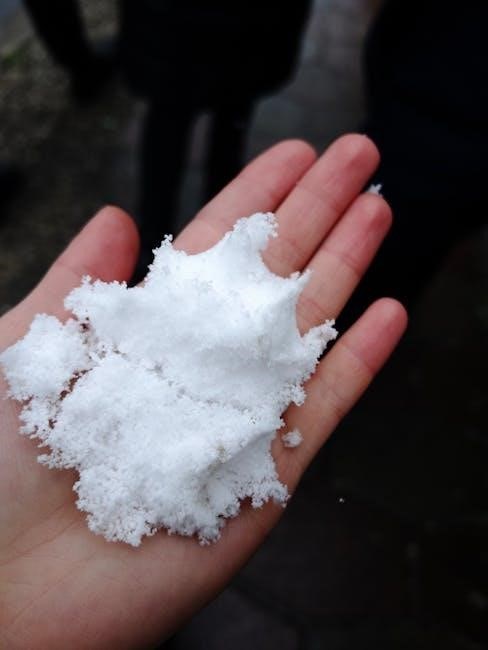
Instant snow is a fascinating, absorbent polymer that magically transforms water into a fluffy, snow-like substance. Unlike real snow, it doesn’t require freezing temperatures, making it a fantastic option for indoor winter fun year-round! It’s often used for sensory play, decorations, and even captivating science experiments, offering a safe and mess-contained alternative to building a snowman outdoors.
This artificial snow is typically available as a dry, white powder. When water is added, the polymer rapidly absorbs the liquid and expands, creating a voluminous, soft material that remarkably resembles real snow in texture and appearance. It’s a popular choice for creating winter wonderlands, holiday displays, or simply providing children with a unique and engaging sensory experience. The convenience and versatility of instant snow make it a delightful addition to any home or classroom.
The Science Behind Instant Snow
The magic behind instant snow lies in a polymer called sodium polyacrylate. This superabsorbent polymer has an incredible ability to absorb and retain extremely large amounts of liquid relative to its own mass – sometimes hundreds of times its weight! This absorption process is what causes the powder to expand and transform into a fluffy, snow-like material when water is added.
The polymer chains within sodium polyacrylate are cross-linked, creating a network that can trap water molecules. As water is introduced, it’s drawn into this network through osmosis, causing the polymer to swell. This swelling creates the voluminous, soft texture we associate with snow. It’s a fantastic demonstration of polymer chemistry in action, making it a fun and educational activity for all ages, blending science with playful exploration!
Types of Instant Snow Products
While the core concept remains the same – creating artificial snow – various instant snow products cater to different needs and preferences. The most common type utilizes sodium polyacrylate, offering a realistic, cold-to-the-touch experience and excellent packing ability for snowballs. However, variations exist in the quality and particle size of the polymer, impacting the final texture.
Beyond sodium polyacrylate-based options, DIY recipes offer alternatives using household ingredients like baking soda, shaving cream, cornstarch, and even salt. These methods provide a cost-effective solution, though the resulting “snow” often differs significantly in texture and feel. Each product presents unique advantages; some prioritize realism, while others focus on simplicity and accessibility, allowing you to choose the best fit for your desired winter wonderland!
Insta-Snow (Sodium Polyacrylate)
Insta-Snow, the brand synonymous with instant snow, primarily utilizes sodium polyacrylate – a superabsorbent polymer. This remarkable substance can absorb hundreds of times its weight in water, transforming it into a fluffy, snow-like material. The resulting texture is remarkably similar to real snow, offering a cool, slightly wet feel and the ability to pack into snowballs.
Sodium polyacrylate’s popularity stems from its ease of use and realistic results. It’s non-toxic, making it relatively safe for supervised play, though ingestion should be avoided. The quality of Insta-Snow can vary, with finer granules generally producing a smoother, more realistic snow. It’s a favorite for sensory play, decorations, and even simple science experiments demonstrating polymer properties.
DIY Instant Snow Alternatives
For those seeking budget-friendly options or alternatives to Insta-Snow, several DIY recipes deliver surprisingly effective results. Common household ingredients like baking soda and shaving cream combine to create a fluffy, albeit less realistic, snow substitute. Similarly, cornstarch and lotion can be mixed for a softer, more pliable snow-like texture.
Another popular method involves salt and water, with Epsom salt offering a particularly crystalline appearance. These alternatives often require experimentation with ingredient proportions to achieve the desired consistency. While they may not perfectly replicate the cold, packing ability, or clean-up ease of Insta-Snow, they provide a fun and accessible way to enjoy the magic of “snow” indoors, especially for quick activities and sensory exploration.
Making Instant Snow with Insta-Snow
Let’s transform water into snow in seconds! This section details activating Insta-Snow powder, providing a simple, step-by-step guide for instant winter wonder.
Materials Needed for Insta-Snow
To begin your instant snow adventure with Insta-Snow, gathering the correct materials is crucial for a successful and enjoyable experience. The primary component, of course, is Insta-Snow powder itself – sodium polyacrylate is the key ingredient responsible for the magical transformation. You’ll need a sufficient quantity of the powder, depending on how much snow you desire to create; a small packet can yield a surprisingly large volume!
Alongside the Insta-Snow, you’ll require water. Tap water works perfectly well, but distilled water can sometimes yield a slightly clearer, more pristine snow effect. A container is essential to hold the powder and water during the activation process; a plastic bin or bowl works best, allowing for easy mixing and expansion. Finally, a stirring utensil, such as a spoon or stick, will be needed to combine the powder and water effectively, initiating the snow-making process. Consider having trays or containers ready to display your finished, fluffy creation!

Step-by-Step Instructions: Insta-Snow Activation
Embark on the exciting process of creating instant snow with these simple, step-by-step instructions! Begin by carefully pouring the desired amount of Insta-Snow powder into your chosen container. Remember, a little goes a long way – it expands significantly! Next, slowly add water to the powder, starting with a small amount.
Gently stir the mixture as you add water. You’ll notice the powder immediately begin to absorb the liquid and transform into a fluffy, snow-like substance. Continue adding water gradually, stirring constantly, until you achieve your desired snow consistency. Avoid adding too much water at once, as this can result in a slushy texture. The activation process is remarkably quick, unfolding before your eyes in mere seconds! Once fully hydrated, your instant snow is ready for play and display.
Water Temperature Considerations
Achieving the perfect instant snow texture hinges significantly on water temperature. While Insta-Snow activates with both warm and cold water, the results differ noticeably. Generally, cold water yields a fluffier, more realistic snow-like consistency, closely mimicking the feel of real snow. This is because colder temperatures slow down the absorption rate, allowing for a more gradual expansion.
Conversely, warm water accelerates the activation process, leading to a slightly denser and potentially slushier texture. Though still enjoyable, it may not possess the same delicate, powdery feel as snow created with cold water. Room temperature water provides a balanced activation, offering a good compromise between speed and texture. Experimenting with different temperatures allows you to customize your instant snow to your preferred feel and application!
Powder to Water Ratio
The key to successful Insta-Snow creation lies in mastering the powder-to-water ratio. A general guideline is to start with approximately 1 part Insta-Snow powder to 10-20 parts water, measured by volume. However, achieving the ideal consistency often requires slight adjustments based on your desired snow texture and the specific brand of Insta-Snow used.

For a fluffier snow, lean towards the higher water ratio (1:20). If you prefer a more packable, denser snow, use less water (1:10). It’s best to add water gradually, mixing continuously, to avoid clumps and ensure even hydration. Remember, you can always add more water if the mixture is too dry, but it’s difficult to reverse if you add too much initially. Careful measurement and incremental additions are crucial for optimal results!
Troubleshooting Insta-Snow Activation
If your Insta-Snow isn’t expanding as expected, several factors could be at play. First, ensure you’re using enough water; a common mistake is underestimating the required volume. Second, check the water temperature – lukewarm water generally works best, as very cold water can slow down the absorption process.
Persistent clumps indicate insufficient mixing or adding water too quickly. Gently break up clumps with your hands or a spoon while continuing to hydrate. If the powder remains stubbornly dry, try adding a tiny bit more water, a teaspoon at a time, and mixing thoroughly. Conversely, if the mixture is overly watery, add a small amount of dry powder. Patience and gradual adjustments are key to resolving activation issues and achieving the perfect snowy texture!
DIY Instant Snow Recipes
Explore fantastic alternatives to Insta-Snow using common household items! We’ll guide you through creating fluffy snow with baking soda, shaving cream, cornstarch, and even salt.
Baking Soda and Shaving Cream Snow
Creating snow with baking soda and shaving cream is a delightfully simple and cost-effective method! This recipe yields a surprisingly realistic texture, offering a fantastic sensory experience for children and adults alike. The combination creates a fluffy, moldable snow that’s perfect for building miniature snowmen or engaging in imaginative winter play.
The key to success lies in the gradual addition of shaving cream to the baking soda. Start with a generous amount of baking soda in a large bowl and slowly incorporate the shaving cream, mixing continuously. You’ll notice the mixture begin to transform, taking on a snow-like consistency. Continue adding shaving cream until you achieve your desired texture – it should hold its shape when squeezed but remain soft and fluffy. This DIY snow is a fantastic alternative when Insta-Snow isn’t available, providing instant winter fun!
Baking Soda Snow: Ingredient Proportions
For a successful baking soda snow creation, maintaining the correct ingredient proportions is crucial. A generally recommended starting point is approximately 1 cup of baking soda to ½ cup of shaving cream. However, this ratio is flexible and can be adjusted to achieve your preferred snow consistency.
Begin by thoroughly mixing the baking soda in a large container. Gradually add the shaving cream, a little at a time, kneading it into the baking soda with your hands or a spoon. Observe the texture as you mix; you may need to add slightly more shaving cream if the mixture remains too dry and crumbly. Conversely, if it becomes overly sticky, incorporate a bit more baking soda. The ideal result is a snow that packs together easily but still feels light and airy – experimentation is key to finding your perfect blend!
Shaving Cream Snow: Texture and Feel
The texture of baking soda snow created with shaving cream is remarkably soft and fluffy, closely mimicking the feel of real snow – though it won’t be cold! The shaving cream acts as a binding agent, transforming the granular baking soda into a moldable, packable substance. Initially, the mixture may feel slightly damp, but as it sits, it will become lighter and airier.
Unlike some other DIY snow recipes, shaving cream snow offers a pleasant, almost velvety texture. It’s gentle on hands and provides a satisfying sensory experience, making it ideal for children’s play. However, it’s important to note that this snow isn’t as durable as Insta-Snow and will gradually lose its form over time. The feel can also vary depending on the type of shaving cream used; gel-based creams tend to produce a stickier result.
Cornstarch and Lotion Snow
Creating “snow” with cornstarch and lotion yields a unique texture, differing significantly from other DIY options. The lotion, acting as the binding agent, transforms the powdery cornstarch into a soft, pliable substance. This mixture generally feels cooler to the touch than baking soda-based snow, though it won’t replicate the chill of actual snow. The consistency is often described as silky and smooth, offering a pleasant sensory experience.
The ratio of cornstarch to lotion is crucial; too little lotion results in a dry, crumbly mixture, while too much creates a sticky, paste-like consistency. This snow is relatively easy to mold and pack, making it suitable for building small snowmen or creating snowy scenes. However, it’s less durable than Insta-Snow and can become clumpy with prolonged handling.
Salt and Water Snow (Epsom Salt Option)
Utilizing salt and water provides a simple, albeit less realistic, approach to crafting instant snow. Table salt, when mixed with water, creates a crystalline structure resembling small snowflakes; However, this “snow” tends to be wet and doesn’t hold its shape well, making it less ideal for building or prolonged play. Epsom salt offers a noticeable improvement, producing larger, more defined crystals that more closely mimic the appearance of snow.
The key is slow addition of water to the salt, stirring continuously until the desired consistency is achieved. This mixture is best suited for visual displays rather than tactile exploration. It doesn’t pack easily and will dissolve over time. Clean-up is straightforward, as salt readily dissolves in water, but be mindful of potential slipperiness.
Playing with Instant Snow
Unleash creativity with sensory play, winter wonderland displays, and exciting science experiments using your newly created instant snow for endless fun!
Sensory Play Ideas
Instant snow provides a fantastic sensory experience for children of all ages, offering a unique tactile adventure. Encourage exploration by letting them scoop, mold, and build with the fluffy material. Hide small toys within the snow for a captivating discovery game, fostering imagination and problem-solving skills.
Create a miniature winter landscape with figurines, trees, and other decorations, allowing children to construct their own snowy worlds. Introduce tools like shovels, buckets, and molds to enhance the play experience and develop fine motor skills. The cool, soft texture of instant snow is incredibly soothing and can be particularly beneficial for children with sensory sensitivities.
Experiment with adding scents like peppermint or winter pine to the snow for an extra layer of sensory stimulation. Remember to always supervise young children during sensory play to ensure a safe and enjoyable experience.
Instant Snow for Decorations
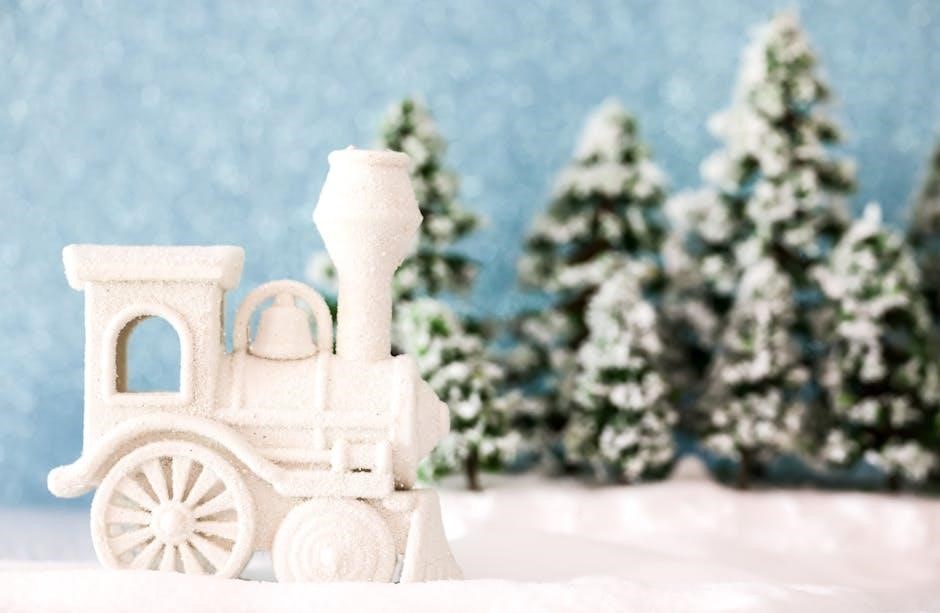
Transform your home into a winter wonderland with the versatile decorating potential of instant snow! It’s a fantastic base for festive displays, offering a realistic snowy effect without the cold. Create charming miniature scenes featuring holiday villages, twinkling lights, and miniature figurines nestled amongst the fluffy snow.
Use instant snow to fill glass jars or bowls, adding ornaments or battery-operated candles for a captivating centerpiece. Sprinkle it around the base of Christmas trees for a magical touch, or create a snowy pathway leading to your front door. It’s perfect for enhancing winter-themed parties and events, adding a touch of enchantment to any space.
Consider using it to create a snowy backdrop for photographs, or to embellish gift packaging for a unique and festive presentation. The possibilities are endless – let your creativity shine!
Winter Wonderland Displays
Embark on creating breathtaking winter wonderland displays using the magic of instant snow! Begin by envisioning a miniature landscape – perhaps a quaint village nestled amongst snow-covered hills. Utilize large trays or containers as your base, layering the instant snow to create varying depths and textures, mimicking realistic snowfall.
Incorporate miniature pine trees, charming cottages, and tiny figurines to populate your scene. Add twinkling fairy lights for a warm, inviting glow, enhancing the magical atmosphere. Consider building a miniature ski slope or ice-skating rink using the snow’s moldable properties.
For a dramatic effect, elevate certain elements using risers or boxes, creating a sense of depth and perspective. Don’t forget to add small details like miniature snowmen or reindeer to complete your enchanting winter scene – a truly captivating display!
Holiday Decorations
Transform your home into a festive winter paradise with instant snow holiday decorations! Create a stunning base for your Christmas village, providing a realistic snowy landscape for miniature houses and figures. Use it to embellish wreaths and garlands, adding a touch of winter magic to your doorways and mantels.
Craft unique ornaments by molding the snow around small baubles or figurines, creating personalized holiday keepsakes. Fill glass jars with instant snow and add battery-operated tea lights for enchanting snow globes. Enhance gift wrapping by sprinkling a light dusting of snow over packages, adding a whimsical touch.
Design a festive centerpiece for your holiday table, incorporating snow-covered branches and ornaments. Instant snow offers a mess-free and captivating way to elevate your holiday décor, spreading cheer throughout the season!
Instant Snow Science Experiments

Unleash your inner scientist with captivating experiments using instant snow! Explore the fascinating polymer chemistry behind sodium polyacrylate as it absorbs water and expands, demonstrating super-absorbent properties. Investigate how different water temperatures affect the snow’s formation and texture, observing the rate of absorption.
Conduct experiments on snow’s capacity to hold water, comparing it to real snow. Examine the snow’s texture and packing ability, relating it to its molecular structure. Explore concepts like cross-linking polymers and observe how salt impacts the snow’s consistency.
These hands-on activities provide a fun and educational way to learn about science, making instant snow a perfect tool for STEM learning and sparking curiosity in all ages!

Clean-Up and Safety
Ensure a worry-free experience by containing the mess, disposing of snow properly, and prioritizing safety—especially with young children—avoiding ingestion at all costs.
Containing the Mess
Instant snow, while wonderfully fun, can be surprisingly messy! Due to its absorbent nature, it will continue to expand as it absorbs moisture, potentially spreading beyond its initial containment area. To minimize cleanup, begin by creating your instant snow within a designated space – a large plastic bin, a waterproof tray, or even a section of a room covered with a drop cloth are excellent choices.
Consider the surface you’re working on; carpets are particularly susceptible to clinging snow particles. Placing a large sheet of plastic underneath your play area provides a barrier and simplifies collection. Encourage children to play over the designated area, reinforcing boundaries. Having damp cloths or paper towels readily available allows for quick spot cleaning of any stray snow. Remember, even contained, some small particles may escape, so vigilance is key to a manageable cleanup!
Disposal of Instant Snow
Proper disposal of instant snow, primarily sodium polyacrylate, is crucial for environmental responsibility and preventing plumbing issues. Do not flush instant snow down the toilet or pour it down the drain – it will expand and cause significant blockages! Instead, allow the snow to completely dry out. As it dries, it will return to a granular, powdery form.
Once fully dried, the small amount of remaining material can typically be disposed of with your regular household trash. For larger quantities, check with your local waste management services for specific guidelines regarding polymer disposal. Avoid composting, as the polymer doesn’t readily break down. Responsible disposal ensures that this fun material doesn’t negatively impact our water systems or the environment, allowing everyone to enjoy the magic responsibly.
Safety Precautions
While generally safe, instant snow requires certain safety precautions, especially when children are involved. Sodium polyacrylate is non-toxic, but it can cause irritation if it gets in the eyes or is ingested. Always supervise young children during playtime to prevent accidental consumption. If ingested, drink plenty of water; it’s not harmful but can cause mild stomach upset.
Avoid getting the dry powder in the eyes, as it can cause temporary discomfort. If contact occurs, rinse thoroughly with water. Keep the powder stored securely, out of reach of small children and pets. Be mindful of slippery surfaces when playing with larger amounts of hydrated instant snow. Prioritizing these simple safety measures ensures a fun and worry-free experience for everyone enjoying this wintery wonder!
Supervision for Young Children
Constant supervision is paramount when young children are playing with instant snow. While the materials are generally considered non-toxic, the potential for ingestion or accidental contact with eyes exists. Toddlers and preschoolers are naturally curious and may explore with their mouths, making close monitoring essential. Ensure they understand that instant snow is not edible.
Adults should actively engage in playtime, guiding children and redirecting any attempts to taste the snow. Be prepared to quickly address any spills or messes to prevent tracking of the hydrated polymer throughout the house. Supervision isn’t just about preventing mishaps; it’s about fostering a safe and enjoyable experience, allowing children to explore the sensory wonders of instant snow with confidence and care.
Avoiding Ingestion
Although generally non-toxic, ingestion of instant snow – particularly sodium polyacrylate – should be strictly avoided. Swallowing can cause gastrointestinal upset, including stomach pain, nausea, and potentially, bowel obstruction if a significant amount is consumed. It’s crucial to emphasize to children that instant snow is not food and is solely for play and sensory exploration.
Keep the unhydrated powder securely stored out of reach of young children. During playtime, actively discourage any mouthing or tasting of the snow. If ingestion occurs, do not induce vomiting. Instead, offer small sips of water to dilute and contact a poison control center or medical professional immediately for guidance. Prioritizing preventative measures and clear communication is key to ensuring a safe and fun experience with instant snow.

About the author